CreatickSolutionz

Menu
  • About Us
  • Affiliate Disclosure
  • Contact Us
  • Disclaimer
Menu

Category: Tools

Best digital tools for remote team project management.

The 7 Best Digital Tools for Remote Team Project Management to Supercharge Productivity

Posted on September 4, 2026September 4, 2026 by Marisol Quintero

I’ve spent most of my career watching founders burn themselves out because they think “scaling” just means hiring more people or buying more ads. But here’s the truth: if your team is constantly pinging you on Slack with “where is this file?” or “what’s the deadline for this?”, you don’t have a growth problem—you have a chaos problem. Most people think they can fix a broken workflow by just finding the best digital tools for remote team project management, but a shiny new app won’t save you if your processes are non-existent. You can’t build a sustainable business on a foundation of constant firefighting and missed deadlines.

Look, choosing the right tool is only half the battle; the real work is in how you actually communicate through them. I’ve seen too many founders buy a premium subscription only to have their team revert to messy, endless email threads because they never established a protocol for real-time updates. If you’re feeling stuck on how to bridge that gap between high-level planning and daily execution, I’ve found that utilizing a dedicated Cairnssex chat can help keep those critical conversations centralized and out of your cluttered inbox. It’s about creating a single source of truth so you aren’t chasing information through three different apps just to get a simple status update.

I’m not interested in giving you a list of every trendy app currently blowing up on LinkedIn. Instead, I’ve narrowed it down to the seven specific solutions that actually drive efficiency without adding more clutter to your day. In this post, I’m breaking down the tools that will help you centralize your communication and finally get a clear view of your actual capacity. By the end of this, you’ll have a roadmap to choose the right system so you can stop managing chaos and start actually leading your business.

Asana for the Big Picture

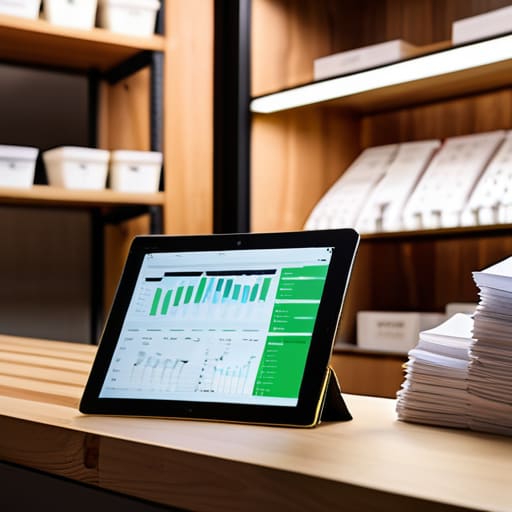
Visualizing team workflows with Asana for the Big Picture.

If you’re feeling like your team is constantly playing catch-up, you probably need a bird’s-eye view of who is doing what and when. Asana is my go-to recommendation for founders who need to move away from the “hey, did you finish that?” Slack messages and toward a centralized source of truth. It allows you to map out complex workflows without the clutter that usually comes with scaling a small team.

Trello for Visual Thinkers

Some of my clients are purely visual people—they need to see the movement of a project to feel in control. Trello’s Kanban board style is perfect for those who want to strip away the noise and focus on the immediate flow of work. It’s intuitive, which means you won’t spend three weeks training your staff just to move a digital card from “In Progress” to “Done.”

Monday.com for Custom Workflows

When a business starts to outgrow basic checklists, you need something that can bend to your specific processes rather than forcing you to change how you work. Monday.com is highly customizable, which is a double-edged sword. It’s incredibly powerful for building bespoke operational workflows that mirror exactly how your boutique or agency functions, from inventory tracking to client onboarding.

ClickUp for the All-in-One Obsessed

I see a lot of founders trying to pay for five different subscriptions because they can’t find one tool that does it all. ClickUp markets itself as the “one app to replace them all,” and for many high-growth remote teams, that’s actually true. It combines tasks, docs, and even some goal tracking into a single interface, which can significantly reduce your software overhead.

Notion for the Internal Knowledge Base

A business is only as sustainable as its documentation. If you’re the only person who knows how to process a refund or onboard a new vendor, you don’t have a business—you have a high-stress job. Notion is the ultimate tool for building a company wiki that lives alongside your projects, ensuring that your institutional knowledge isn’t trapped in your head or lost in an email thread.

Basecamp for Minimalist Communication

Not every team needs a heavy-duty project management suite with a thousand bells and whistles. If your workflow is relatively straightforward and you’re tired of the constant pinging of instant messaging, Basecamp is a breath of fresh air. It organizes everything by project, keeping your discussions, schedules, and files in neat, organized silos that actually make sense.

Airtable for Data-Driven Operations

If your business relies heavily on managing complex sets of information—like a large product catalog or a massive list of freelance contributors—you need more than just a task manager. Airtable is essentially a database that looks like a spreadsheet, giving you the ability to structure your data in a way that standard tools simply can’t handle.

Stop Collecting Tools and Start Building Systems

Look, choosing between these seven tools isn’t about finding the one with the most bells and whistles or the flashiest interface. It’s about identifying which platform actually plugs the holes in your current workflow. Whether you go with something robust like Asana or keep it lean with Trello, the goal remains the same: visibility and accountability. If you pick a tool just because it’s trending on LinkedIn but your team still spends three hours a day in “status update” meetings, you haven’t solved anything. You’ve just added another layer of digital clutter to an already messy process. Pick the one that fits your team’s specific rhythm and stick to it.

At the end of the day, software is just a means to an end. No app on this list is going to fix a culture of poor communication or a lack of clear objectives. Use these tools to automate the mundane, track your progress, and get the data you need to make smart decisions, but don’t let the tech become the work itself. My goal for you is to get your operations so tight that the software runs in the background, allowing you to finally step away from the screen without the business falling apart. Build the system, own your numbers, and reclaim your time.

Small business inventory management software options.

Ways to Manage Inventory for Small Businesses

Posted on September 3, 2026September 3, 2026 by Marisol Quintero

I remember sitting on a milk crate in the backroom of a boutique I was managing a decade ago, surrounded by half-empty shipping boxes and a growing sense of dread. I had just promised a VIP client a specific silk blouse, only to realize—after twenty minutes of frantic digging—that our “system” was just a stack of handwritten notes and a prayer. That was the moment I realized that fancy, expensive inventory management software isn’t a magic wand; it’s just a tool that only works if you actually have a process to feed it. Most people think they need a high-priced, enterprise-grade platform to fix their problems, but usually, they just need to stop the bleeding first.

I’m not here to sell you on some shiny, overhyped tech stack that will leave you more confused than when you started. My goal is to cut through the noise and show you how to choose a solution that actually fits your specific workflow without draining your bank account. I’m going to give you the unfiltered truth about what makes these systems work and, more importantly, how to implement them so you can finally stop playing guessing games with your cash flow.

Table of Contents

  • Mastering Sku Management Systems Before You Break Your Business
  • Why Real Time Stock Monitoring Is Your New Non Negotiable
  • 5 Ways to Stop Letting Your Inventory Eat Your Profits
  • The Bottom Line on Inventory Control
  • ## The High Cost of "Good Enough"
  • Stop Guessing and Start Growing
  • Frequently Asked Questions

Mastering Sku Management Systems Before You Break Your Business

Mastering Sku Management Systems Before You Break Your Business

If you’re trying to scale while your SKU data is a mess, you aren’t growing—you’re just magnifying your mistakes. I’ve seen too many boutique owners add new product lines thinking more sales will fix their cash flow, only to realize they have no idea which items are actually moving and which are just gathering dust. You can’t build a stable foundation on guesswork. Implementing robust SKU management systems isn’t about adding more paperwork; it’s about creating a single source of truth so you aren’t apologizing to customers for items that are “in stock” on your website but missing from your shelf.

Once you get your identifiers straight, you need to move toward real-time stock monitoring. If you’re still manually counting items or relying on a spreadsheet that was last updated three days ago, you’re leaving money on the table. You need to know exactly what you have, where it is, and when it’s running low, without having to walk into the backroom every single hour. This level of clarity is what allows you to actually step away from the business and trust that the gears are still turning.

Why Real Time Stock Monitoring Is Your New Non Negotiable

Why Real Time Stock Monitoring Is Your New Non Negotiable

If you’re still relying on a spreadsheet that you update at the end of every Friday, you aren’t managing a business—you’re managing a crisis. I’ve seen too many boutique owners lose customers because they sold an item online that was actually sold out in their physical shop three hours prior. That kind of friction kills brand loyalty faster than bad service ever could. You need real-time stock monitoring so that your digital storefront and your physical shelves are actually speaking the same language.

Relying on “gut feelings” about what’s in the backroom is a recipe for burnout. When you implement multi-channel inventory synchronization, you stop playing a constant game of catch-up. It’s about moving from a reactive state—where you’re frantically apologizing for overselling—to a proactive state where you actually know your margins. Stop treating your stock levels like a guessing game and start treating them like the foundation of your cash flow. If you don’t know exactly what’s sitting on your shelves at this very second, you don’t truly know how much money you have.

5 Ways to Stop Letting Your Inventory Eat Your Profits

  • Stop buying software for the features and start buying for the integration. If your inventory tool doesn’t talk to your POS and your accounting software, you aren’t saving time—you’re just creating more manual data entry for yourself.
  • Look for automated reorder points, not just pretty dashboards. I don’t care how sleek the interface looks if it doesn’t alert you the second a high-margin item hits a critical low. You need a system that acts as your early warning signal.
  • Prioritize mobile accessibility so you can actually use it on the floor. If you have to walk back to a desk every time you need to check a count, your system is failing you. You should be able to scan a barcode right where the product sits.
  • Demand granular reporting that tracks your “dead stock” specifically. Most founders focus on what’s selling, but the real money is often lost in the stuff gathering dust in the corner. Your software should tell you exactly what to liquidate.
  • Test the “human error” factor before you commit. If the software requires a PhD to operate, your team won’t use it correctly, and your data will be garbage within a month. Choose a tool that is intuitive enough for a busy floor staff to master in twenty minutes.

The Bottom Line on Inventory Control

Stop treating your inventory like a guessing game; if you aren’t tracking every SKU in real-time, you’re just bleeding cash through shrinkage and missed sales.

Software isn’t a magic wand for a messy business—it’s a tool that only works if your underlying data and processes are clean before you hit “import.”

True scalability isn’t about how many orders you can ship in a day, it’s about having the systems in place so you don’t have to work 14-hour shifts to manage the chaos.

## The High Cost of "Good Enough"

“If you’re still relying on a messy spreadsheet or a gut feeling to tell you what’s in your warehouse, you aren’t running a business—you’re managing a crisis. Inventory software isn’t a luxury expense; it’s the floor that keeps your entire operation from collapsing every time you try to scale.”

Marisol Quintero

Stop Guessing and Start Growing

Stop Guessing and Start Growing with data.

At the end of the day, inventory management software isn’t just another digital tool to add to your tech stack; it’s the backbone of your entire operation. We’ve talked about why you can’t afford to ignore SKU management and why real-time monitoring is the only way to stop the bleeding of lost revenue and wasted space. If you keep trying to manage your stock levels with spreadsheets and gut feelings, you aren’t building a business—you’re just managing a constant state of crisis. Implementing these systems means you finally stop playing defense against your own warehouse and start playing offense with your actual data.

I want you to remember why you started this business in the first place. It probably wasn’t to spend your Friday nights counting boxes or stressing over backorders. The goal is to build something that works for you, not something that keeps you tethered to a laptop at 11 PM. Investing in the right systems is how you buy back your time and your sanity. Once your backend is solid, you can finally stop chasing every shiny object and focus on the high-level strategy that actually moves the needle. Build your foundation first, and the scale will follow.

Frequently Asked Questions

How do I know if I actually need a dedicated software system or if my current spreadsheet is just getting too heavy to manage?

If you’re spending more time fixing broken formulas and cross-referencing manual entries than you are actually selling, your spreadsheet has become a liability. When you start seeing “ghost stock”—items that say they’re there but aren’t—or if you’re terrified to make a single update because you might break the whole sheet, it’s time to move. Spreadsheets are great for starting, but they aren’t built to scale. Don’t wait for a massive order to fail before you upgrade.

What’s the realistic time commitment for my team to learn a new system without it completely derailing our daily operations?

Let’s be real: if you try to overhaul everything on a Tuesday morning, you’re going to fail. Expect a two-week “transition dip” where productivity slows down. Plan for about 30 to 60 minutes of dedicated training per team member, spread out over several days. Don’t do a marathon session; nobody retains information like that. Do bite-sized chunks, test it in a sandbox environment, and keep your current manual backups running until you’re actually confident.

How do I ensure the software actually talks to my existing sales channels so I'm not manually updating stock levels in three different places?

You need to look for “native integrations” or a robust API. If you’re selling on Shopify, Instagram, and in-person, your software shouldn’t just sit there—it needs to be the single source of truth. Before you sign anything, ask the vendor: “Does this sync bi-directionally in real-time?” If they hesitate or say it’s a “daily batch update,” walk away. You aren’t looking for a digital filing cabinet; you’re looking for an automated ecosystem.

Creating a professional marketing dashboard.

Creating a Marketing Dashboard to Track Results

Posted on September 2, 2026September 9, 2026 by Marisol Quintero

I was sitting in a cramped back office of a boutique client last year, watching a founder stare at a screen full of colorful, spinning graphs, looking more stressed than when she started. She was paying a premium for a high-end, automated marketing dashboard that tracked everything from “brand sentiment” to “social engagement velocity,” yet she couldn’t tell me if her last ad spend actually moved the needle on her bottom line. It was a classic case of data clutter—a shiny, expensive distraction that offered plenty of noise but zero clarity.

I’m not here to sell you on more vanity metrics or complex software that requires a degree in data science to navigate. My goal is to show you how to build a practical, stripped-back marketing dashboard that focuses on the only numbers that actually matter for your survival and growth. We are going to cut through the fluff and focus on the real truth of your ROI, so you can stop guessing, stop wasting money, and finally get back to running your business.

Table of Contents

  • Mastering Marketing Roi Tracking Without the Endless Busywork
  • Why Real Time Marketing Analytics Is Your Only Path to Sanity
  • 5 Rules for a Dashboard That Actually Works (and Doesn't Just Look Pretty)
  • The Bottom Line: What to Do Before You Close Your Notebook
  • ## Stop Flying Blind
  • Stop Guessing and Start Scaling
  • Frequently Asked Questions

Mastering Marketing Roi Tracking Without the Endless Busywork

Mastering Marketing Roi Tracking Without the Endless Busywork

Most founders I work with are drowning in data but starving for actual insight. They spend Sunday nights scrolling through three different platforms, trying to piece together whether a specific campaign actually moved the needle or just burned a hole in their budget. This isn’t “being hands-on”; it’s inefficient. To get your time back, you need to move toward marketing ROI tracking that happens in the background, not something that requires a manual audit every single week.

The secret isn’t more data; it’s better curation. Stop trying to track every single click and start focusing on the metrics that actually impact your bottom line. I always recommend setting up a system that prioritizes customer acquisition cost visualization so you can see, at a glance, if your spend is scaling sustainably or if you’re just throwing money at a wall. If you can’t see the relationship between your ad spend and your actual profit within thirty seconds of looking at a screen, your reporting is broken. Fix the system, then get back to running your business.

Why Real Time Marketing Analytics Is Your Only Path to Sanity

Why Real Time Marketing Analytics Is Your Only Path to Sanity

Most founders I consult with are stuck in a cycle of “reactive management.” They spend their Sunday nights squinting at spreadsheets from last month, trying to figure out why sales dipped or why a specific campaign felt like a money pit. That isn’t leadership; it’s damage control. If you’re waiting until the end of the quarter to see if your strategy worked, you’ve already lost. You need real-time marketing analytics to act as an early warning system, not a post-mortem report.

When you have visibility into your data as it happens, you stop making decisions based on “gut feelings” or what a social media influencer told you to do. Instead, you can see exactly when your customer acquisition cost visualization starts trending in the wrong direction and pivot before you’ve burned through your entire monthly budget. This isn’t about being obsessed with numbers; it’s about gaining the clarity needed to step away from your desk. Real-time data gives you the permission to stop micromanaging every tiny detail and finally start trusting your systems.

5 Rules for a Dashboard That Actually Works (and Doesn't Just Look Pretty)

  • Stop tracking vanity metrics. I don’t care how many likes your latest post got if those likes aren’t turning into sales. If a metric doesn’t help you make a decision about where to put your next dollar, take it off the dashboard.
  • Focus on the “Golden Trio.” Your dashboard needs to show three things clearly: Customer Acquisition Cost (CAC), Conversion Rate, and Return on Ad Spend (ROAS). If you can’t see these three at a glance, you’re just looking at noise.
  • Automate the data pull or don’t bother. If you are manually typing numbers from Facebook into an Excel sheet every Monday morning, you aren’t running a business; you’re performing unpaid data entry. Use a tool that pulls the data automatically so you can spend your time actually analyzing it.
  • Build for your “Sunday Night Self.” Design your dashboard so that you can look at it for five minutes on a Sunday evening and know exactly what the game plan is for the week. If it takes an hour to interpret the charts, it’s too complicated.
  • Connect marketing data to your bank account. A marketing dashboard shouldn’t exist in a vacuum. It needs to bridge the gap between your ad spend and your actual revenue. If your dashboard says you’re winning but your cash flow says you’re losing, your dashboard is lying to you.

The Bottom Line: What to Do Before You Close Your Notebook

Stop collecting data just for the sake of having it; if a metric doesn’t directly tell you whether to keep spending or pull back, it’s just digital clutter.

Your dashboard should be your early warning system, not a post-mortem tool—use it to catch sinking campaigns before they drain your bank account.

Automate the tracking so you can get back to running your business; if you’re spending more time updating spreadsheets than analyzing results, your system is broken.

## Stop Flying Blind

A marketing dashboard isn’t just a collection of pretty charts to show off; it’s your business’s reality check. If you aren’t looking at your actual numbers every single week, you aren’t running a business—you’re just participating in a very expensive guessing game.

Marisol Quintero

Stop Guessing and Start Scaling

Stop Guessing and Start Scaling with data.

Look, building a marketing dashboard isn’t about collecting shiny new metrics just to feel productive. It’s about cutting through the noise so you can see exactly where your hard-earned money is going and, more importantly, where it’s being wasted. We’ve covered why you need real-time data to maintain your sanity and how to track ROI without drowning in spreadsheets every single Sunday night. The goal is simple: move away from gut feelings and toward data-driven clarity. When you have a centralized view of your performance, you stop reacting to every tiny fluctuation and start making intentional, strategic moves that actually move the needle for your bottom line.

At the end of the day, your business should be a vehicle for the life you want to live, not a cage that keeps you tethered to a screen 24/7. A solid dashboard is more than just a technical tool; it is your ticket to reclaiming your time. Once you stop obsessing over vanity metrics and start focusing on the numbers that actually impact your operations, you’ll find the breathing room you’ve been looking for. Build your systems, trust your data, and then get out of the weeds so you can focus on the big picture. You’ve got this.

Frequently Asked Questions

I don't have a massive budget; do I really need expensive software, or can I build a functional dashboard using tools I already pay for?

Look, you don’t need a five-figure enterprise software subscription to see what’s actually happening in your business. If you’re already paying for Google Sheets, Looker Studio, or even the built-in analytics in Shopify, you have enough to build something functional. Stop looking for a magic tool to fix your lack of clarity. Start by pulling your existing data into a simple, organized spreadsheet. A clean, manual dashboard beats a fancy, expensive one you don’t understand every single time.

How do I know which specific metrics to track without getting overwhelmed by a wall of useless data?

Stop trying to track everything. If you look at fifty different metrics, you aren’t looking at anything; you’re just staring at noise. Start with the “Big Three”: Customer Acquisition Cost (CAC), Lifetime Value (LTV), and your actual conversion rate. If these three numbers are healthy, your business is breathing. Everything else is just vanity. Pick the three numbers that actually dictate whether you can pay your bills and go home on time.

Once I have the dashboard set up, how often should I actually be looking at it to make decisions without letting it consume my entire week?

Look, if you’re checking your dashboard every hour, you’ve built a new way to procrastinate, not a system. That’s just anxiety masquerading as “being hands-on.”

Seamless business tools and CRM integration.

Integrating Your Crm With Other Business Tools

Posted on August 22, 2026 by Marisol Quintero

I was sitting in a client’s back office last Tuesday, watching a boutique owner manually copy customer email addresses from her Shopify store into a spreadsheet, only to then type them again into her mailing list. It was painful to watch. Everyone wants to talk about “scaling” and “omnichannel presence,” but they’re ignoring the fact that their data is bleeding out through a dozen different cracks. You don’t need a shiny new marketing campaign if your crm integration is non-existent; you just need your tools to actually talk to each other so you aren’t playing digital secretary all day.

I’m not here to sell you on some bloated, enterprise-grade software suite that requires a PhD to operate. My goal is to show you how to build a seamless backend that works while you’re actually living your life. We are going to strip away the tech jargon and focus on the practical steps to connect your systems, automate the grunt work, and finally get a clear view of your numbers. Let’s stop patching leaks and start building something that actually lasts.

Table of Contents

  • Building a Cross Platform Ecosystem That Actually Works
  • Ditch the Manual Chaos for Automated Data Transfer
  • 5 Ways to Stop Fighting Your Software and Start Using It
  • The Bottom Line on CRM Integration
  • ## Systems Over Hype
  • Stop Patching Leaks and Start Scaling
  • Frequently Asked Questions

Building a Cross Platform Ecosystem That Actually Works

Building a Cross Platform Ecosystem That Actually Works

Most founders I work with treat their software like a collection of separate islands. They have an email tool here, a spreadsheet there, and a Shopify account somewhere else, and they think they’re “managing” it all. But if your apps aren’t talking to each other, you don’t have a system; you have a series of manual chores. To build a true cross-platform ecosystem, you need to stop being the bridge between your own tools. You shouldn’t be the one manually copying email addresses into a database just to keep things current.

The goal is to achieve seamless software integration so that information flows where it needs to go without you touching a single button. When you leverage automated data transfer, your customer information moves from a lead form to your sales team in real-time. This isn’t about buying every shiny new app on the market; it’s about ensuring your existing stack actually functions as a single, cohesive unit. When your data is centralized, you can finally stop playing detective with your own metrics and start making decisions based on reality.

Ditch the Manual Chaos for Automated Data Transfer

Ditch the Manual Chaos for Automated Data Transfer.

If you’re still spending your Sunday evenings manually exporting CSV files from your Shopify store just to upload them into your CRM, we need to have a serious talk. That isn’t “running a business”; it’s performing unpaid administrative labor. Every minute you spend copy-pasting email addresses or updating shipping statuses is a minute you aren’t focused on high-level strategy or, heaven forbid, actually taking a break. Relying on manual entry is a recipe for human error, and in my experience, one wrong digit in a customer’s contact info is all it takes to tank your brand’s credibility.

You need to implement automated data transfer to bridge the gap between your storefront and your backend. By leveraging API connectivity solutions, you ensure that when a customer buys something, their profile updates across your entire system instantly. This creates a single source of truth through centralized customer data, meaning your marketing team, your sales team, and your fulfillment team are all looking at the same reality. Stop playing data courier and start letting your software do the heavy lifting for you.

5 Ways to Stop Fighting Your Software and Start Using It

  • Audit your current tech stack before you buy anything new. I see so many boutique owners layering on expensive new tools when they haven’t even mapped out their basic customer journey. If the new tool doesn’t play nice with your existing CRM, it’s just more digital clutter you’ll eventually stop using.
  • Prioritize “Single Source of Truth” over fancy features. It doesn’t matter how many bells and whistles your CRM has if your shipping data and your email list are living in two different worlds. Make sure your integration ensures that when a customer changes their address in one place, it updates everywhere.
  • Automate the boring stuff, but keep a human eye on the handoffs. Use integration to trigger an email when a sale happens, but don’t let a bot handle a high-value client’s specific question. The goal is to automate the data movement so you have more time for the actual relationship.
  • Clean your data before you connect the pipes. If you try to integrate a messy, disorganized spreadsheet into a high-end CRM, you’re just going to automate the chaos. Spend a weekend cleaning up your contacts and tags first; otherwise, you’re just paying to move garbage around faster.
  • Focus on the metrics that actually impact your bottom line. Don’t integrate just for the sake of having a “connected ecosystem.” Ask yourself: “Will this integration help me see my customer acquisition cost more clearly?” or “Will this save me two hours of admin a week?” If the answer is no, skip it.

The Bottom Line on CRM Integration

Stop treating your software like a collection of silos; if your tools aren’t talking to each other, you aren’t running a business, you’re managing a mess.

Real efficiency isn’t about buying every shiny new app on the market—it’s about making sure the ones you already own actually share data without you having to manually copy-paste it.

Use your integrated data to look at your actual numbers, not just your social media vanity metrics, so you can make decisions based on reality instead of guesswork.

## Systems Over Hype

Stop throwing money at new lead generation tools if your data is trapped in silos; a shiny new marketing campaign is just a faster way to break a business that doesn’t have a connected CRM to catch the fallout.

Marisol Quintero

Stop Patching Leaks and Start Scaling

Stop Patching Leaks and Start Scaling CRM.

Look, we’ve covered a lot of ground here, but let’s strip it back to the basics. Integrating your CRM isn’t just about buying a shiny new piece of software; it’s about creating a cohesive ecosystem where your data actually flows without you having to babysit it. We talked about building a cross-platform setup that works and, more importantly, ditching the manual data entry that is currently eating your team’s time and sanity. If your systems aren’t talking to each other, you aren’t running a business—you’re running a series of expensive, disconnected silos. Stop treating your tech stack like a collection of random tools and start treating it like the operational backbone it needs to be.

At the end of the day, my goal for you isn’t just to have better data; it’s to give you your time back. You didn’t start this business to spend your Sunday nights reconciling spreadsheets or hunting down customer details that should have been automated months ago. When your systems are integrated, you finally get the clarity you need to make decisions based on actual numbers rather than gut feelings or marketing hype. Build those solid systems now so that your business can eventually serve your life, instead of becoming a second full-time job that you can never escape.

Frequently Asked Questions

How do I know if my current tech stack is actually compatible with a CRM, or if I'm just throwing money at tools that won't talk to each other?

Look, if you have to export a CSV from one app just to upload it into another, you don’t have a tech stack—you have a collection of expensive digital silos. Before you buy another subscription, check for native integrations or a robust API. If the software can’t “talk” to your accounting or email tools without you acting as the human bridge, it’s not an asset; it’s just more manual labor you’re paying for.

I don't have a massive IT department; is this something I can realistically manage myself, or am I going to need to hire a specialist to set it up?

Look, I get it. You aren’t looking to become a part-time coder. If you’re using modern tools like Shopify, Mailchimp, or HubSpot, you can likely handle the basic setup yourself using “no-code” connectors like Zapier. It’s mostly just mapping fields from one box to another. However, if you’re trying to force two ancient, clunky legacy systems to talk to each other, that’s when you call in a specialist. Don’t waste your weekend fighting a broken API.

At what point does the cost of integrating these systems actually pay for itself in recovered time and better data?

The math is simpler than most founders think. If you’re spending five hours a week manually syncing spreadsheets or hunting down customer details, you aren’t just losing time—you’re losing the ability to scale. The integration pays for itself the moment the cost of your “manual tax” (your hourly rate plus the cost of human error) exceeds the monthly subscription for the integration tool. If you’re still doing it by hand, you’re already overpaying.

Best digital tools for remote team project management.

The 7 Best Digital Tools for Remote Team Project Management to Supercharge Productivity

Posted on August 18, 2026August 25, 2026 by Marisol Quintero

I’ve seen it a hundred times: a founder hires three new people, moves to a remote setup, and suddenly their business feels like a house of cards. You aren’t actually managing; you’re just playing a constant, exhausting game of telephone, trying to figure out who is doing what and why a deadline just slipped through the cracks. Most people think they have a people problem, but usually, they just have a process problem. If you want to stop the bleeding, you have to stop relying on memory and start relying on infrastructure. Finding the best digital tools for remote team project management isn’t about buying every shiny new app on the market; it’s about finding the specific connective tissue that keeps your operations from falling apart while you’re offline.

Look, tools are only half the battle; if you don’t have a clear sense of your team’s capacity, even the best software will just become another expensive way to track chaos. I always tell my clients that you need to pair your digital stack with a disciplined approach to delegation. If you’re finding yourself overwhelmed by the logistical side of things, I’ve found that taking a moment to step back and look at how you actually manage your local connections and personal time—much like how one might research ts escort york for specific local needs—can help you realize that outsourcing the small stuff is often the only way to stay sane while scaling.

In this post, I’m cutting through the marketing fluff to give you my shortlist of seven essential tools. I’m not interested in tools that just look pretty; I’m looking for the ones that actually drive accountability and clear the mental clutter from your day. I’ll show you exactly how to use these to build a system that works for you, so you can finally stop micromanaging every single task and start actually scaling your business.

Asana for the Big Picture

Using Asana for the Big Picture.

If you’re tired of wondering who is actually responsible for what, Asana is usually my first recommendation for growing teams. It’s not just a glorified to-do list; it’s a way to map out complex workflows so nothing falls through the cracks when you aren’t looking. I’ve seen too many founders burn out because they are acting as the human router for every single task, and this tool helps shift that burden from your brain to a structured system.

Trello for Visual Thinkers

Sometimes, you don’t need a massive, intimidating dashboard; you just need to see where things are moving. Trello uses a Kanban style that is incredibly intuitive, making it perfect for teams that prefer a visual representation of their progress. I often suggest this to boutique owners who are transitioning from paper planners to digital spaces because the learning curve is almost non-existent.

Monday.com for Customization

If your business has a very specific, non-negotiable way of operating, Monday.com is likely going to be your best friend. It’s highly customizable, which is a double-edged sword if you don’t have a plan. I tell my clients that you should build for your workflow, not try to force your workflow to fit the software’s limitations.

ClickUp for the All-in-One Dream

ClickUp is the “everything app,” and while that sounds great on paper, it can be a massive distraction if you aren’t disciplined. It packs docs, goals, and even whiteboards into one place, which is fantastic for reducing the number of different subscriptions you’re paying for every month. For a small business looking to consolidate, this can be a huge cost saver.

Notion for Knowledge Management

Project management isn’t just about deadlines; it’s about having a single source of truth for your company’s processes. Notion is less of a task manager and more of a digital headquarters. I love using it to build out Standard Operating Procedures (SOPs) that stay right next to the projects they govern.

Basecamp for Communication Heavy Teams

If your biggest headache is a fragmented conversation spread across email, text, and three different messaging apps, Basecamp is your remedy. It’s designed to bring everything into one organized space, separating the actual work from the casual chatter. It’s much more “calm” than some of the high-intensity tools on the market.

Airtable for Data-Driven Operations

For the retailers and makers who live and breathe by their inventory, client lists, or content calendars, Airtable is a game changer. It looks like a spreadsheet, but it functions like a powerful relational database. It’s the perfect bridge between a simple list and a complex enterprise system.

Stop Collecting Tools and Start Building Systems

Look, picking a tool from this list isn’t a magic fix for a disorganized team. Whether you opt for the heavy-duty structure of Asana or the visual simplicity of Trello, the software is only as good as the processes you build around it. You can buy every premium subscription on the market, but if your team doesn’t have clear protocols for updating tasks or communicating progress, you’re just paying for digital clutter. The goal isn’t to find the flashiest interface; it’s to find the one that actually reduces the mental load on your people and stops the endless cycle of “where is that file?” or “who is doing what?”

At the end of the day, these tools are meant to serve you, not the other way around. I see too many founders getting obsessed with “optimizing” their tech stack while their actual operations are still a mess. Don’t let the pursuit of the perfect setup become another way to procrastinate on the hard work of leadership. Choose a system that works for your specific workflow, implement it with discipline, and then get out of the way. Real scale happens when your systems are so reliable that you can finally stop micromanaging and actually start living your life again.

Using print on demand tools for marketing.

Using Print on Demand for Product Marketing

Posted on August 17, 2026 by Marisol Quintero

Stop wasting your time chasing every “game-changing” software recommendation that pops up in your Instagram feed. Most of the hype surrounding print on demand tools is designed to separate ambitious founders from their hard-earned cash, promising automation that usually just creates more manual cleanup for you later. I’ve sat across the table from dozens of boutique owners who thought a shiny new dashboard would fix their business, only to realize they were just layering complexity on top of chaos. If your fulfillment process is a disaster, a fancy new app isn’t going to save you; it’s just going to help you fail faster.

I’m not here to give you a curated list of every shiny object on the market. Instead, I’m going to walk you through the specific, practical print on demand tools that actually integrate into a sustainable workflow without requiring you to live behind a screen 24/7. We are going to focus on systems that actually scale and tools that respect your time. My goal is to help you build a backend that is as organized and efficient as a well-restored mid-century sideboard—functional, beautiful, and built to last.

Table of Contents

  • Why Automated Order Processing Saves Your Sanity
  • Finding Shopify Print on Demand Apps That Respect Your Time
  • 5 Ways to Stop Letting Your POD Tools Run Your Life
  • The Bottom Line: Systems Over Hype
  • ## Systems Over Hype
  • Stop Building on Sand
  • Frequently Asked Questions

Why Automated Order Processing Saves Your Sanity

Why Automated Order Processing Saves Your Sanity

Look, I’ve seen too many founders spend their Sunday nights manually copying customer addresses from a spreadsheet into a fulfillment portal. It’s soul-crushing, and frankly, it’s a massive waste of your talent. When you rely on manual entry, you aren’t just risking typos; you’re inviting human error to eat your profit margins alive. Implementing automated order processing isn’t just a “tech upgrade”—it’s a boundary you set for your own mental health. It moves the heavy lifting away from your desk and into a system that doesn’t get tired or distracted at 11 PM.

The goal is to get your business to a point where it functions without you hovering over every single transaction. By integrating reliable shopify print on demand apps directly into your storefront, the data flows seamlessly from the moment a customer clicks “buy” to the moment the production facility receives the order. This level of automation turns a chaotic scramble into a predictable, repeatable workflow. You should be focusing on your long-term strategy or maybe actually enjoying your weekend, not playing data entry clerk for a business that’s supposed to be serving your life.

Finding Shopify Print on Demand Apps That Respect Your Time

Finding Shopify Print on Demand Apps That Respect Your Time

When you’re browsing the Shopify App Store, it’s easy to get distracted by every flashy new integration promising “explosive growth.” Ignore the hype. If you’re looking for shopify print on demand apps, you need to stop looking for features and start looking for stability. I’ve seen too many founders sign up for a service because it had a pretty interface, only to realize three weeks later that their order sync is broken and their customer service inbox is a disaster zone.

You want tools that act like a silent partner, not a second job. I always tell my clients to prioritize apps that offer seamless automated order processing and reliable integration with their existing inventory. Don’t get bogged down in the bells and whistles of complex graphic design for apparel suites if the actual fulfillment is shaky. Your goal is to find a partner that handles the heavy lifting—from printing to shipping—without you having to manually check every single transaction. If an app requires you to babysit it every time a sale comes in, it isn’t a tool; it’s a liability.

5 Ways to Stop Letting Your POD Tools Run Your Life

  • Audit your integration before you scale. Don’t just pick a tool because it has a flashy interface; make sure it actually talks to your shop without requiring you to manually export CSV files every single morning.
  • Prioritize sample orders over marketing hype. I don’t care how many influencers are using a specific POD provider—if the print quality is inconsistent, your customer service inbox is going to become a nightmare you can’t escape.
  • Look for automated inventory syncing. If you’re manually checking stock levels for base garments, you’re wasting time you should be spending on strategy. Your tools should tell you when something is out of stock, not the other way around.
  • Vet the shipping transparency. A tool is only as good as its tracking data. If your customers are constantly emailing you “Where is my order?”, your backend is broken, and it’s usually because your POD app isn’t pushing tracking numbers correctly.
  • Choose scalability over “cheap” entry costs. It’s tempting to go with the lowest-priced provider to save a few cents, but if their system crashes when you actually start seeing real volume, that “saving” will cost you your entire reputation.

The Bottom Line: Systems Over Hype

Stop looking for the “magic” app that will make you viral; look for the tool that handles the boring stuff—like inventory syncing and order routing—so you aren’t manually fixing mistakes at 11 PM.

If your print on demand tool doesn’t integrate seamlessly with your existing shop setup, it’s not a solution, it’s just another piece of technical debt you’ll have to manage later.

Growth is meaningless if your margins are being eaten by shipping errors and bad fulfillment; prioritize tools that give you clear, accurate data so you actually know if you’re making money.

## Systems Over Hype

“Don’t let a surge in orders turn into a nightmare of manual spreadsheets and shipping errors; the right print on demand tools aren’t just a luxury, they are the difference between running a scalable business and just owning a very stressful, full-time job.”

Marisol Quintero

Stop Building on Sand

Stop Building on Sand with automation.

Look, at the end of the day, the right print on demand tools aren’t just about convenience—they are about survival. We’ve talked about why you need automated order processing to stop the manual data-entry madness and why choosing Shopify apps that actually integrate with your workflow is non-negotiable. If you keep trying to manage everything through spreadsheets and manual emails, you aren’t running a business; you’re running a high-stress marathon that never ends. You have to prioritize your backend infrastructure before you even think about ramping up your ad spend or your social media presence. Systems over hype, every single time.

I want you to remember why you started this journey in the first place. It probably wasn’t to spend your Sunday nights troubleshooting fulfillment errors or chasing down tracking numbers. You started this to build something that gives you freedom, not something that turns you into a slave to your own storefront. Use these tools to reclaim your time and build a foundation that can actually support your vision. When your operations are solid, you can finally stop playing defense and start playing offense. Build a business that serves your life, rather than one that consumes it.

Frequently Asked Questions

How do I know if a print on demand tool is actually integrating with my current inventory system or just creating more manual work?

Don’t take their marketing word for it. The only way to know is to run a test order through your entire workflow. If you have to manually export a CSV from your POD app just to upload it into your inventory manager, that’s not an integration—it’s a chore. A real integration should talk to your system in real-time, updating stock levels and order statuses without you touching a single button. If it requires manual data entry, it’s broken.

What are the hidden costs of these apps that don't show up in the initial monthly subscription fee?

Don’t let a low monthly subscription fee fool you into thinking an app is “cheap.” The real cost is usually hidden in the margins. Watch out for per-order transaction fees, higher-than-average base product costs, and “premium” shipping tiers that eat your profit alive. If an app is cheap but its fulfillment is slow, you’re paying for it in customer service headaches and refunds. Always run your math on the total landed cost, not just the subscription.

At what point does it become more cost-effective to move away from print on demand and start holding my own stock?

Don’t make this move just because you want to feel “big.” You move when your margins are being eaten alive by POD fees and your bestsellers are constantly out of stock. If you’re moving hundreds of units of a single design monthly, the math shifts. Hold stock when the cost of storage and manual fulfillment is lower than the premium you’re paying for convenience. Get your numbers straight first; don’t trade one headache for another.

Using customer loyalty software to build engagement.

Building Customer Loyalty Through Digital Tools

Posted on August 10, 2026August 10, 2026 by Marisol Quintero

Stop throwing money at expensive, flashy “rewards” programs that do nothing but clutter your dashboard and confuse your staff. I see it all the time with the boutique owners I consult for: they buy some high-end customer loyalty software because a guru on Instagram said it was essential, only to realize they’ve just added another complex layer of tech to a backend that was already struggling to breathe. If you’re just handing out digital punch cards that nobody actually uses, you aren’t building loyalty; you’re just subsidizing a bad customer experience with expensive software you don’t need.

I’m not here to sell you on the latest shiny object or some over-engineered platform that requires a PhD to operate. My goal is to show you how to pick a system that actually integrates with your current workflow and, more importantly, gives you the real numbers you need to make decisions. We’re going to cut through the marketing fluff and focus on tools that help you understand who your best customers are, so you can stop chasing strangers and start building a sustainable business that actually gives you your time back.

Table of Contents

  • Prioritize Customer Lifetime Value Optimization Over Viral Trends
  • Using Customer Churn Reduction Tools to Protect Your Peace
  • Five Ways to Make Your Loyalty Software Work for You (Instead of the Other Way Around)
  • The Bottom Line: Systems Over Hype
  • ## Stop Guessing and Start Knowing
  • The Bottom Line
  • Frequently Asked Questions

Prioritize Customer Lifetime Value Optimization Over Viral Trends

Prioritize Customer Lifetime Value Optimization Over Viral Trends

I see boutique owners every week who are obsessed with the latest TikTok dance or a viral reel, thinking a spike in views will magically fix their bottom line. It won’t. If you’re spending all your energy chasing one-off customers who never come back, you’re essentially running on a treadmill. Instead of chasing ghosts, you need to focus on customer lifetime value optimization. It’s much cheaper—and significantly less exhausting—to sell to someone who already trusts you than to constantly hunt for strangers in a crowded digital marketplace.

This is where most people get it wrong: they treat loyalty like a “nice-to-have” marketing gimmick rather than a core operational system. Real growth happens when you move away from manual guesswork and start utilizing automated loyalty program features that actually track behavior. When you stop babysitting every individual transaction and let a system handle the heavy lifting of recognition and rewards, you gain something far more valuable than a few likes: you gain predictable revenue. Stop chasing the high of a viral moment and start building a foundation that actually sustains your lifestyle.

Using Customer Churn Reduction Tools to Protect Your Peace

Using Customer Churn Reduction Tools to Protect Your Peace

If you’re constantly playing catch-up with new customer acquisitions, you’re likely running on a hamster wheel that leads straight to burnout. I’ve seen too many boutique owners exhaust themselves trying to find “new” people when their existing customers are quietly slipping out the back door. This is where customer churn reduction tools become your best friend—not because they’re flashy, but because they act as an early warning system. Instead of reacting to a sudden drop in sales, these tools help you spot the patterns of disengagement before the relationship is actually dead.

Think of it as setting up a perimeter around your hard-earned revenue. When you implement personalized rewards automation, you aren’t just sending out generic discount codes; you’re delivering a timely, relevant nudge to a customer who hasn’t visited in a while. This shifts your workload from frantic firefighting to proactive management. By automating these touchpoints, you stop babysitting every single transaction and start building a system that protects your margins—and your sanity—while you focus on the parts of your business that actually matter.

Five Ways to Make Your Loyalty Software Work for You (Instead of the Other Way Around)

  • Stop chasing vanity metrics and look at your repeat purchase rate. If your software isn’t telling you exactly how many customers are coming back and how much they’re spending, it’s just an expensive digital paperweight.
  • Automate the boring stuff so you can actually breathe. Use your software to trigger “we miss you” emails or birthday rewards automatically. If you’re manually sending out discount codes, you haven’t built a system; you’ve just created more work for yourself.
  • Segment your list based on actual behavior, not guesses. Don’t blast your entire database with the same generic coupon. Use your data to send specific offers to your high-spenders and different incentives to those who haven’t visited in three months.
  • Keep your rewards simple enough to explain in ten seconds. If your loyalty program is too complex, your staff won’t pitch it and your customers won’t bother learning it. A clean, straightforward reward system is much easier to manage and much harder to break.
  • Audit your data every single month. I see so many founders set up a system and then forget it exists until something breaks. Sit down with your Moleskine, look at the numbers the software is spitting out, and make sure those loyalty points are actually driving revenue, not just giving away freebies to people who would have bought anyway.

The Bottom Line: Systems Over Hype

Stop chasing viral moments to fix a leaky bucket; use loyalty software to understand your real numbers and keep the customers you’ve already fought to get.

Automate your retention efforts so you aren’t stuck babysitting your customer list every weekend; let the systems do the heavy lifting while you actually run your business.

Focus on lifetime value, not one-off transactions, because sustainable growth is built on predictable repeat business, not the dopamine hit of a single trending post.

## Stop Guessing and Start Knowing

“Stop treating your customer data like a guessing game. A decent loyalty system isn’t about sending out flashy discount codes; it’s about finally seeing the patterns in your numbers so you can stop playing catch-up and start building a business that actually runs itself.”

Marisol Quintero

The Bottom Line

The Bottom Line: building predictable business growth.

At the end of the day, customer loyalty software isn’t just another shiny tool to add to your tech stack; it’s the backbone of a predictable business. We’ve talked about why you need to stop chasing viral ghosts and start focusing on your actual numbers, and why protecting your peace means plugging the leaks in your churn rate. If you aren’t using data to understand who your best customers are and why they keep coming back, you aren’t running a business—you’re just hoping for the best. Stop guessing and start building a system that tracks your real growth so you can finally stop babysitting your spreadsheets and start making informed decisions.

My goal for you has always been the same: build something that serves your life instead of consuming it. Investing in the right systems now might feel like more work upfront, but it’s the only way to ensure you aren’t stuck working eighty-hour weeks just to keep the lights on. Use these tools to create a foundation of stability, so your business can eventually run without your constant intervention. Go get your systems in order, get your numbers straight, and then go live your life.

Frequently Asked Questions

How much time am I actually going to have to spend managing this software every week?

Look, I get it. The last thing you need is another digital babysitter sucking up your calendar. If you set this up right, you shouldn’t be living in the dashboard. I’m talking maybe two to three hours a week—mostly reviewing your weekly automated reports and checking your churn metrics. Use the automation to do the heavy lifting. If you’re spending more time than that, you haven’t built a system; you’ve just bought yourself a new chore.

Is it worth investing in a dedicated loyalty system if my current customer base is still relatively small?

Look, I get the hesitation. You feel like you’re buying a heavy-duty industrial mixer when you’re still just baking bread in your kitchen. But here’s the reality: if you wait until you’re “big enough,” you’ll have already baked in bad habits and messy data. Start small. Use a system now to build the muscle of tracking who your real fans are. It’s much easier to scale a clean process than to fix a broken one later.

How do I know if the data from these tools is actually telling me the truth about my profit margins?

Look, software is only as good as the data you feed it. If you’re just glancing at “total sales” without subtracting your COGS, shipping mishaps, and those sneaky merchant fees, you’re flying blind. To find the truth, cross-reference your software’s reports against your actual bank statements and physical inventory counts. If the numbers don’t match your cash in hand, your system is lying to you. Don’t trust a dashboard until it accounts for every cent leaving your pocket.

Using email verification tools for list health.

Maintaining Email List Health With Verification Tools

Posted on August 1, 2026August 8, 2026 by Marisol Quintero

I was sitting in a client’s cramped back office last Tuesday, staring at a spreadsheet that looked more like a crime scene than a marketing report. They were celebrating a “massive” surge in new subscribers, but their open rates were cratering and their sender reputation was in the gutter. It’s the same old story: founders pouring money into lead generation while ignoring the fact that half their list is composed of dead addresses and spam traps. They think they need more leads, but what they actually need is to stop bleeding cash on email verification tools that they aren’t even using correctly. If you’re chasing vanity metrics while your actual deliverability is tanking, you aren’t growing—you’re just making noise.

I’m not here to sell you on some shiny, over-hyped software suite that promises magic. My goal is to cut through the fluff and show you how to actually use these tools to protect your domain and clean up your backend processes. We are going to look at the practical, no-nonsense way to audit your list so you can stop guessing and start seeing real engagement in your numbers.

Table of Contents

  • Protect Sender Reputation Instead of Chasing Vanity Metrics
  • How Cleaning Email Lists Keeps Your Business From Bleeding
  • 5 Ways to Stop Guessing and Start Cleaning Your Lists
  • The Bottom Line: Stop Guessing and Start Cleaning
  • ## Stop Treating Your Email List Like a Junk Drawer
  • Stop Guessing and Start Scaling
  • Frequently Asked Questions

Protect Sender Reputation Instead of Chasing Vanity Metrics

Protect Sender Reputation Instead of Chasing Vanity Metrics

I see so many founders obsessing over their open rates or how many new leads they pulled in from a flashy Instagram campaign, but they’re completely ignoring the plumbing. If you’re sending thousands of messages to addresses that don’t even exist, you aren’t growing—you’re digging a hole. Every time you hit a dead end, you risk a massive spike in bounces. When your bounce rate climbs, ISPs like Gmail and Outlook start flagging you as a spammer, and suddenly, even your loyal customers aren’t seeing your updates.

You have to protect sender reputation if you want your marketing to actually work. This isn’t about vanity; it’s about deliverability. Using professional email validation services helps you catch those invalid addresses before they ever hit your “send” button. It’s much more effective to have a smaller, highly engaged list of real people than a massive database of ghosts that actively damages your ability to reach an inbox. Stop treating your list like a trophy and start treating it like a high-performance engine that needs regular maintenance.

How Cleaning Email Lists Keeps Your Business From Bleeding

How Cleaning Email Lists Keeps Your Business From Bleeding

Look, I’ve seen too many boutique owners pour their entire quarterly marketing budget into lead generation, only to watch it vanish into a black hole of invalid addresses. It’s a silent leak in your profit margins. When you’re sending messages to non-existent accounts, you aren’t just wasting time; you are actively damaging your ability to reach the customers who actually want to buy from you. By cleaning email lists regularly, you stop the hemorrhage of resources spent on “ghost” leads that will never convert.

The technical side is just as brutal. Every time you hit a hard bounce, your domain’s credibility takes a hit. If you don’t use email validation services to filter out the junk, you’ll eventually find your legitimate, high-value emails landing straight in the spam folder. It’s not about vanity metrics or how many thousands of names you have on a spreadsheet; it’s about ensuring your message actually hits the inbox. If you can’t reduce bounce rates through proactive maintenance, you’re essentially throwing your hard-earned money into a paper shredder.

5 Ways to Stop Guessing and Start Cleaning Your Lists

  • Stop the “batch and blast” madness; run your list through a verification tool before every major campaign to ensure you aren’t hitting a wall of dead accounts.
  • Focus on the “catch-all” addresses; these are the gray areas that can tank your reputation, so use your tool to flag them and handle them with caution.
  • Automate the cleanup at the point of entry; don’t wait six months to fix a messy list—integrate verification into your sign-up forms so bad data never even hits your database.
  • Watch your bounce rates like a hawk; if your verification tool shows a spike in hard bounces, stop your marketing immediately and re-evaluate your sourcing before you get blacklisted.
  • Prioritize deliverability over list size; I’d much rather see a boutique brand with 500 engaged, verified subscribers than 5,000 names where half are ghosts and the other half are spam traps.

The Bottom Line: Stop Guessing and Start Cleaning

Stop treating your email list like a vanity trophy; a smaller list of engaged, real people is worth infinitely more than a massive list of dead accounts that tank your deliverability.

Treat email verification as a standard operational expense, not an optional luxury, because the cost of the tool is significantly lower than the cost of being blacklisted by providers.

Use your clean data to make actual decisions—if you don’t know who is actually reading your messages, you aren’t running a business, you’re just throwing money into a void.

## Stop Treating Your Email List Like a Junk Drawer

“I see so many founders obsessed with growing their subscriber count, but they’re essentially just building a bigger pile of digital trash. If you’re paying for thousands of dead addresses, you aren’t growing—you’re just hemorrhaging cash. Stop chasing the vanity of a high number and start investing in a list that actually responds.”

Marisol Quintero

Stop Guessing and Start Scaling

Stop Guessing and Start Scaling with data.

At the end of the day, email marketing isn’t about how many thousands of names you have sitting in a spreadsheet; it’s about how many of those people actually see what you have to say. If you aren’t using a verification tool, you are essentially throwing money into a black hole of bounce rates and spam folders. By prioritizing list hygiene, you protect your sender reputation, stop the bleeding of your marketing budget, and finally get a clear picture of your actual engagement. Don’t let a messy database be the reason your hard-earned growth stalls out. Clean data is the foundation of every scalable system.

I see so many founders burn themselves out trying to master the latest algorithm or chase a massive lead magnet, all while their backend is a total disaster. It’s exhausting, and frankly, it’s unnecessary. You don’t need more noise; you need clarity. When you fix your processes and respect your numbers, you stop playing defense and start building something that actually lasts. Build a business that works for you, not one that requires you to constantly fix preventable mistakes. Get your systems right first, and the growth will follow naturally.

Frequently Asked Questions

How often do I actually need to run my list through a verification tool to see real results?

Don’t overthink this, but don’t ignore it either. If you’re running a high-volume list or constantly adding new leads through landing pages, run a verification check once a month. It keeps the rot from spreading. If your list is smaller and more stable, once a quarter is plenty. The goal isn’t to obsess over the tool; it’s to ensure your deliverability stays high enough that your hard-earned emails actually land in the inbox.

Will using these tools mess up my existing subscriber data or trigger any red flags with my email provider?

Look, I get the hesitation. You’ve spent months, maybe years, building that list, and the last thing you want to do is break it. But here’s the reality: these tools aren’t “altering” your data; they’re auditing it. They identify the dead weight so you can remove it. It won’t mess up your existing subscribers, and honestly, cleaning your list is exactly what your email provider wants to see to keep you out of the spam folder.

Is it worth paying for a dedicated tool if my list is relatively small, or can I just manually clean it?

Look, I get the temptation to save a few bucks, but manual cleaning is a trap. If you have 200 names, sure, you can eyeball them. But once you hit a few thousand, you’re trading your most valuable asset—your time—for a task a machine can do in seconds. I’d rather see you spend that hour fixing a broken checkout flow than squinting at an Excel sheet trying to spot typos. Pay for the tool.

Choosing the best podcast hosting platforms.

Choosing a Podcast Hosting Platform for Your Brand

Posted on July 23, 2026 by Marisol Quintero

Stop obsessing over your listener count if you haven’t even figured out which of those flashy podcast hosting platforms actually gives you the data you need to grow. I see it all the time with my clients: they spend weeks tweaking their cover art or chasing the latest audio trend, but their backend is a total mess. They’re essentially trying to build a skyscraper on a foundation of sand. You don’t need a platform that promises “viral potential”; you need one that provides clean, actionable numbers so you can stop guessing and start scaling.

I’m not here to sell you on a premium subscription or some “all-in-one” miracle tool that just adds more clutter to your workflow. My goal is to strip away the marketing fluff and help you select a setup that actually works for your business without eating up forty hours of your week. I’m going to walk you through the practical realities of these platforms—the costs, the data reliability, and the technical headaches—so you can build a sustainable system and get back to the work that actually matters.

Table of Contents

  • Dont Let Messy Rss Feed Distribution Break Your Growth
  • The Real Truth About Best Podcast Hosting for Beginners
  • Stop Buying Features You’ll Never Use: 5 Real-World Hosting Requirements
  • The Bottom Line for Your Business
  • ## Stop Chasing Listeners and Start Watching Your Data
  • Stop Overthinking the Tech and Start Building the System
  • Frequently Asked Questions

Dont Let Messy Rss Feed Distribution Break Your Growth

Dont Let Messy Rss Feed Distribution Break Your Growth

You can have the best mic setup in the world and a killer content strategy, but if your RSS feed distribution is glitchy, you’re essentially shouting into a void. I see this all the time with boutique brands trying to scale: they focus on the “show” but ignore the plumbing. If your feed isn’t syncing correctly across Spotify, Apple, and Amazon, you aren’t just losing listeners; you’re losing data. And without clean data, you’re flying blind.

When your distribution is fragmented, your ability to actually understand your audience vanishes. You need a setup that prioritizes accurate audio analytics and insights so you can see exactly where your listeners are dropping off. If you can’t track your growth with precision, you’ll never know which episodes are actually driving revenue and which are just noise. Don’t let a technical oversight become the bottleneck that prevents you from exploring real podcast monetization options. Get your backend sorted first, or you’ll just be spinning your wheels.

The Real Truth About Best Podcast Hosting for Beginners

The Real Truth About Best Podcast Hosting for Beginners

Look, I see this all the time with my clients: they get so caught up in the “creative” side of things that they completely ignore the infrastructure. If you’re just starting out, you don’t need a complex, enterprise-level suite that costs a fortune and requires a degree to navigate. What you actually need is the best podcast hosting for beginners—something that stays out of your way so you can actually record. You want a tool that handles the heavy lifting of RSS feed distribution automatically, ensuring your show actually shows up where it’s supposed to without you manually babysitting every single directory.

Don’t get distracted by flashy features that promise “viral growth” but offer zero substance. Instead, look for a platform that prioritizes clean, actionable audio analytics and insights. I don’t care about vanity metrics like total downloads if the data doesn’t tell me who is listening and where they drop off. If you can’t see the real numbers, you’re just throwing content into a void. Pick a host that provides clarity, not just noise.

Stop Buying Features You’ll Never Use: 5 Real-World Hosting Requirements

  • Look past the “shiny object” marketing and check the analytics export. If the platform doesn’t let you download clean, granular data that you can actually plug into a spreadsheet, it’s useless for scaling. You need to know where your listeners are, not just a pretty bar graph.
  • Prioritize seamless RSS stability over fancy website builders. I’ve seen too many founders lose sleep because their feed broke during a transition. Your host’s primary job is to be a quiet, reliable engine in the background, not a creative agency.
  • Audit the automation capabilities before you sign up. If you’re still manually moving files or updating show notes across multiple places, you’re wasting hours of your week. Find a host that integrates with the tools you already use to keep your workflow lean.
  • Don’t get distracted by “all-in-one” promises. Most platforms that claim to do everything—from video editing to social media scheduling—usually do those things poorly. Pick a host that excels at distribution and keep your other tools specialized.
  • Check the scalability of their pricing tiers. There is nothing more frustrating than hitting a growth spurt only to realize your hosting costs are about to triple because you didn’t read the fine print on their “starter” plan. Plan for the business you want to have in two years, not just the one you have today.

The Bottom Line for Your Business

Stop chasing vanity metrics like total downloads if your hosting platform isn’t giving you the granular data you need to actually see where your listeners are coming from.

Prioritize a platform with a clean, reliable RSS feed over one that has a flashy interface; if your distribution breaks, your marketing spend is essentially being thrown in the trash.

Choose a tool that scales with your systems, not one that requires you to spend five hours a week troubleshooting technical glitches instead of actually running your business.

## Stop Chasing Listeners and Start Watching Your Data

“I see founders obsessing over their download numbers while they’re running on a hosting platform that treats data like an afterthought. If your host isn’t giving you the granular, actionable numbers you need to see where your growth is actually coming from, you aren’t building a business—you’re just playing with a hobby.”

Marisol Quintero

Stop Overthinking the Tech and Start Building the System

Stop Overthinking the Tech and Start Building the System

At the end of the day, picking a podcast hosting platform isn’t about finding the one with the flashiest interface or the most expensive bells and whistles. It’s about finding a reliable foundation that handles your RSS distribution without a hitch and, more importantly, gives you the actual data you need to make informed decisions. Don’t get distracted by the marketing hype surrounding “all-in-one” suites if they don’t actually solve your core problems. Focus on the stability of your backend, the clarity of your analytics, and the ease with which you can manage your workflow. If your hosting platform makes your life harder instead of automating your growth, it is the wrong tool for your business.

I see so many founders burn out because they’re trying to manage a dozen different “shiny” tools instead of mastering one solid system. Your podcast should be an asset that works for you, not a second full-time job that keeps you glued to a screen late at night. Choose a platform that allows you to scale predictably, and then get out of the weeds. Once your systems are running smoothly, you can stop worrying about the technical minutiae and get back to what actually matters: creating great content and building a business that actually serves your life.

Frequently Asked Questions

How do I know if a platform's analytics are actually accurate enough to make real business decisions?

If you can’t see the raw data, you’re just guessing. I don’t care about “vanity metrics” like total downloads if they aren’t broken down by geography or listener retention. Look for a platform that provides IAB-certified analytics. That certification is the industry standard for ensuring the numbers aren’t inflated by bots or double-counted downloads. If a platform can’t show you exactly where your listeners are dropping off, you can’t fix your content—and you certainly can’t scale.

Is it worth paying for a premium host if I'm still in the pilot phase of my show?

Look, if you’re just testing the waters, don’t go overboard. You don’t need a $50/month enterprise suite to record a pilot. However, don’t settle for a “free” platform that locks your data or offers zero analytics. If you can’t see where your listeners are actually coming from, you’re flying blind. Pick a mid-range, reliable host. It’s better to build your foundation on a professional system now than to migrate everything later when things actually get real.

Can I actually migrate my existing show to a new platform without losing my current listeners or breaking my RSS feed?

Yes, you can, but if you do it sloppily, you’ll lose them. The secret is the 301 redirect. You don’t just “move” files; you tell your old host to point your existing RSS feed to the new one. This ensures Apple Podcasts and Spotify know exactly where to find your new home without forcing your listeners to manually re-subscribe. Treat your RSS feed like your business’s backbone—don’t break the connection, just upgrade the infrastructure.

Managing effective affiliate marketing tools.

Managing Affiliate Marketing Programs Effectively

Posted on July 16, 2026August 6, 2026 by Marisol Quintero

I was sitting at my kitchen table last Tuesday, staring at a spreadsheet that looked more like a crime scene than a business report, when it hit me: another founder was trying to scale their revenue by subscribing to every shiny new software on the market. They were convinced that the right suite of affiliate marketing tools would magically fix their bottom line, but all they were actually doing was layering complexity on top of chaos. I see it all the time in my consultancy—small business owners chasing high-tech bells and whistles to solve problems that are actually rooted in broken, fundamental processes.

I’m not here to sell you on a subscription or tell you that a specific app will make you an overnight success. Instead, I’m going to strip away the marketing fluff and show you how to evaluate affiliate marketing tools based on what they actually do for your operational efficiency. We are going to focus on the systems that provide clean data and predictable workflows, rather than the ones that just look good in a YouTube ad. My goal is to help you pick the tools that actually serve your life, not the ones that turn your workday into a permanent technical support nightmare.

Table of Contents

  • Mastering Your Performance Marketing Technology Stack
  • Why Best Affiliate Tracking Platforms Save Your Sanity
  • Stop Collecting Software and Start Building Systems
  • The Bottom Line: Don't Let Tools Outpace Your Systems
  • ## Systems Over Shiny Objects
  • The Bottom Line on Your Tech Stack
  • Frequently Asked Questions

Mastering Your Performance Marketing Technology Stack

Mastering Your Performance Marketing Technology Stack.

Look, I see this all the time: founders piling on expensive software like they’re collecting trading cards, thinking the next subscription will magically fix their conversion rates. It won’t. A bloated performance marketing technology stack is just another way to leak cash if you haven’t defined what you’re actually measuring. You don’t need a dozen different dashboards; you need one reliable source of truth that connects your spend to your actual sales.

When I audit a client’s setup, I’m looking for more than just bells and whistles. I want to see robust affiliate management software features that actually talk to your existing inventory and accounting systems. If your tech doesn’t allow for automated commission management, you aren’t building a scalable system—you’re just creating a massive administrative headache for yourself. Stop looking for the “magic” tool and start looking for the one that integrates seamlessly with your current workflow. If it adds more manual data entry to your week, it’s not a tool; it’s a liability.

Why Best Affiliate Tracking Platforms Save Your Sanity

Why Best Affiliate Tracking Platforms Save Your Sanity

Look, I’ve seen too many founders try to run an affiliate program using nothing but a messy Google Sheet and a prayer. It’s a recipe for disaster. When you’re manually calculating payouts or trying to figure out which partner actually drove a sale, you aren’t running a business—you’re babysitting a spreadsheet. Investing in the best affiliate tracking platforms isn’t about having the flashiest tech; it’s about reclaiming your time. You need a system that handles the heavy lifting so you can focus on high-level strategy instead of getting bogged down in the weeds of manual data entry.

The real magic happens when you leverage automated commission management. Instead of spending your Sunday nights cross-referencing clicks with sales, a solid platform does it for you, accurately and instantly. This level of precision eliminates the constant back-and-forth emails with partners asking, “Where is my payment?” Beyond just saving your sanity, these systems provide the clean affiliate program analytics you need to see what’s actually moving the needle. If you can’t see the data clearly, you’re just guessing, and guessing is an expensive way to grow.

Stop Collecting Software and Start Building Systems

  • Audit your current tech before adding more. I see boutique owners signing up for three different tracking platforms because they “heard they were good,” but they aren’t even using the data from the first one. If you can’t explain exactly how a tool improves your margin, don’t buy it.
  • Prioritize integration over features. A flashy dashboard is useless if it doesn’t talk to your inventory management or your accounting software. If you’re manually exporting CSV files every Friday just to see if your affiliates are actually performing, your “tool” is actually just a time-sink.
  • Focus on attribution accuracy, not just volume. It doesn’t matter if a tool tells you that you have a thousand clicks if it can’t tell you which specific partner actually drove the sale. You need to know your true ROI, or you’re just guessing with your marketing budget.
  • Look for automation that protects your time. I want to see tools that handle the repetitive grunt work—like link generation or basic payout reporting—so you aren’t stuck behind a screen at 9 PM. If the tool requires constant manual oversight, it’s not a tool; it’s a second job.
  • Demand clean, actionable data. Most affiliate platforms give you a mountain of numbers that mean absolutely nothing to a small business owner. Look for software that highlights trends and outliers, rather than just dumping a massive spreadsheet in your lap and leaving you to figure it out.

The Bottom Line: Don't Let Tools Outpace Your Systems

Stop collecting software subscriptions like they’re trading cards; only invest in an affiliate tool once you actually have a repeatable process that needs scaling.

If you can’t pull a clean report on your customer acquisition cost in under five minutes, your tech stack isn’t helping you—it’s just adding noise.

Prioritize tracking accuracy over flashy features, because scaling a marketing program based on bad data is the fastest way to burn through your cash reserves.

## Systems Over Shiny Objects

“Don’t let a fancy new affiliate dashboard trick you into thinking you’re scaling. If you haven’t nailed your basic tracking and margins, a new tool is just a more expensive way to watch your profits leak out of the bottom line.”

Marisol Quintero

The Bottom Line on Your Tech Stack

The Bottom Line on Your Tech Stack.

At the end of the day, the right affiliate marketing tools aren’t about having the most expensive dashboard or the flashiest interface; they are about visibility and control. We’ve covered how a solid tracking platform prevents you from flying blind and how a streamlined tech stack keeps your operations from collapsing under their own weight. If you can’t accurately attribute a sale to a specific partner, you aren’t marketing—you’re gambling. Stop letting your data leak through the cracks of a broken system. Focus on tools that provide clear, actionable numbers so you can stop guessing and start scaling with intention.

I want you to remember that these tools are meant to serve your business, not the other way around. I see too many founders get caught in a cycle of “tool fatigue,” constantly swapping software because they think a new app will magically fix a fundamental process issue. It won’t. Build your foundation on reliable systems first, then layer in the tech that actually lightens your load. My goal for you is to reach a point where your affiliate program runs like a well-oiled machine in the background, allowing you to step away from the screen and actually enjoy the life your business was supposed to build for you.

Frequently Asked Questions

How do I know if I actually need a dedicated tracking platform or if my current spreadsheet setup is still "good enough" for my current scale?

If you’re still manually reconciling spreadsheets every Sunday night just to see if an influencer actually drove sales, you’ve already outgrown them. Spreadsheets are fine for testing a single partnership, but they don’t scale; they just create more manual labor and human error. If you find yourself second-guessing your data or losing hours to “data cleanup,” it’s time to invest. You aren’t just buying software; you’re buying your time back.

Which specific metrics should I be looking at in these tools to ensure I'm seeing real ROI rather than just vanity numbers?

Stop obsessing over clicks and impressions. Those are vanity metrics that make you feel busy without actually making you money. If you want to see real ROI, look at your conversion rate per partner and your Customer Acquisition Cost (CAC). Most importantly, track your Return on Ad Spend (ROAS) and the lifetime value of the customers those affiliates are actually bringing in. If the math doesn’t work there, the tool is just a glorified scoreboard for chaos.

At what point does the cost of a premium affiliate tool actually start to pay for itself in terms of saved time and recovered revenue?

The math is simple: if you’re spending more than five hours a week manually reconciling spreadsheets or chasing down “lost” commissions, you’ve already lost the bet. A premium tool pays for itself the moment it recovers a single missed attribution or stops a high-value partner from walking away due to clunky reporting. Stop looking at the monthly subscription fee and start looking at the cost of your own wasted time and leaked revenue.

  • 1
  • 2
  • 3
  • 4
  • Next

Recent Posts

  • Stop Building a House of Cards: Why Scaling Infrastructure to Support Rapid Company Growth Is the Only Way to Protect Your Freedom and Your Bottom Line.
  • Forget the Office Grind: How Coworking Spaces Changed City Work by Prioritizing Freedom Over the Cubicle.
  • Developing a Consistent Content Creation Routine
  • Choosing the Right Point of Sale System
  • Improving Efficiency Through Task Batching

Recent Comments

No comments to show.

Archives

  • September 2026
  • August 2026
  • July 2026
  • June 2026
  • May 2026
  • April 2026
  • March 2026
  • February 2026
  • January 2026

Categories

  • Business
  • Guides
  • Marketing
  • Operations
  • Tools
© 2026 CreatickSolutionz | Powered by Minimalist Blog WordPress Theme