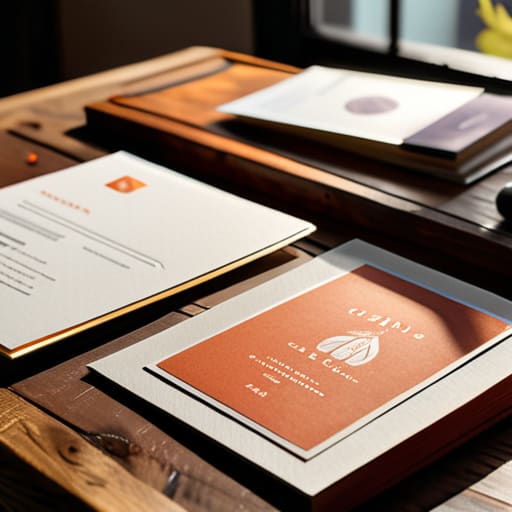
I was sitting in a client’s back office last week—a boutique owner who was spiraling because her Instagram engagement had tanked—and she was ready to dump her entire quarterly budget into a new “viral” video agency. I had to stop her right there. We spent forty minutes looking at her actual numbers instead, and it became painfully clear that her problem wasn’t a lack of digital noise; it was a lack of tangible connection. Everyone is so obsessed with chasing the next algorithm hack that they’ve completely forgotten the power of print marketing for small business. If you can’t hold your brand in your hands, you’re just another flickering pixel in a crowded feed, and frankly, that is a waste of your hard-earned capital.
I’m not here to sell you on some outdated, dusty concept of flyers. I’m here to show you how to build a physical presence that actually converts. In this post, I’m going to cut through the fluff and give you a pragmatic blueprint for using high-quality, intentional print assets to strengthen your backend sales funnel. We’re going to talk about what actually works, what’s a total money pit, and how to ensure every cent you spend on paper is an investment in your long-term stability.
Table of Contents
- Measuring Real Success Comparing Print vs Digital Marketing Roi
- Building Brand Identity Through Physical Media That Lasts
- Stop Guessing and Start Implementing: 5 Ways to Make Print Work for You
- The Bottom Line: What Actually Moves the Needle
- ## The Cost of Digital Noise
- Stop Chasing Trends and Start Building Foundations
- Frequently Asked Questions
Measuring Real Success Comparing Print vs Digital Marketing Roi
Look, I see founders every week obsessing over “clicks” and “impressions” like they’re the only metrics that matter. But here’s the truth: a thousand digital impressions mean nothing if they don’t convert into actual foot traffic or sales. When we look at print vs digital marketing ROI, the math changes. Digital is great for quick reach, but it’s incredibly easy to burn through a budget on “engagement” that never hits your bank account. Print, on the other hand, often offers a much more predictable return because you aren’t fighting a shifting algorithm just to be seen.
If you want to see real results, you have to stop treating your marketing like a slot machine. I always tell my clients to focus on tangible marketing assets for startups that actually live in a customer’s hands. Whether it’s a high-quality postcard or a well-designed menu, these pieces build a sense of legitimacy that a fleeting Instagram ad simply can’t touch. When you invest in cost-effective print advertising, you aren’t just buying space; you’re buying a permanent seat at your customer’s kitchen table.
Building Brand Identity Through Physical Media That Lasts

Digital ads are fleeting; they vanish the second a user scrolls past. But when you invest in brand identity through physical media, you’re creating something that actually lives in your customer’s world. I’ve seen so many boutique owners blow their quarterly budget on Instagram boosts, only to realize their customers don’t even remember their name ten minutes later. Contrast that with a high-quality, textured business card or a well-designed mailer sitting on a kitchen counter. That physical presence builds a level of perceived legitimacy that a pixelated banner ad simply cannot touch.
If you want to stand out, you need to stop treating your collateral like an afterthought. Whether it’s custom promotional materials that reflect your brand’s aesthetic or a beautifully designed lookbook, these items serve as permanent touchpoints. For a growing brand, these aren’t just “extras”—they are essential tools for establishing trust. When a customer can actually hold your brand in their hands, it moves from being just another internet distraction to a tangible part of their daily life.
Stop Guessing and Start Implementing: 5 Ways to Make Print Work for You
- Stop treating print like a decoration. If you’re handing out business cards or flyers, they need a clear, singular call to action. Don’t just put your logo on it and hope for the best; tell them exactly what to do next, whether that’s scanning a specific QR code or visiting a dedicated landing page.
- Invest in quality over quantity every single time. I see so many founders blow their quarterly budget on 10,000 cheap, flimsy flyers that end up in the recycling bin before they even hit the sidewalk. I’d rather see you print 500 high-quality, heavy-stock postcards that people actually feel a psychological urge to keep on their kitchen counters.
- Bridge the gap between your physical and digital worlds. Your print marketing shouldn’t live in a vacuum. Use unique promo codes specifically for your mailers or postcards so you can actually track the conversion. If you can’t measure which piece of paper actually brought in the revenue, you’re just throwing money into a black hole.
- Consistency is your best friend for brand recognition. If your shop’s aesthetic is minimalist and clean, but your printed menus or signage look like a cluttered ransom note, you’re breaking the trust you’ve worked so hard to build. Your physical touchpoints must mirror the experience of your actual brand.
- Target your local geography with precision. Digital ads can be a massive money pit because you end up paying for impressions from people who will never walk through your door. Use direct mail or local print placements to hit the specific zip codes where your ideal customers actually live and shop.
The Bottom Line: What Actually Moves the Needle
Stop treating print like a relic; when used strategically, physical touchpoints create a level of brand recall that a fleeting Instagram story simply can’t touch.
Don’t scale your marketing spend until you can track it—use unique QR codes or dedicated landing pages to ensure your print investments are actually driving revenue, not just sitting in a junk drawer.
Focus on quality over quantity; one well-designed, tactile piece of mail or a high-end business card does more for your professional credibility than a thousand generic digital impressions.
## The Cost of Digital Noise
“Stop throwing your marketing budget into the digital void hoping for a click when you haven’t even established a physical presence. A well-designed, tactile piece of print doesn’t disappear when a user scrolls past an ad; it sits on a desk, stays in a hand, and builds the kind of real-world trust that a fleeting social media trend never will.”
Marisol Quintero
Stop Chasing Trends and Start Building Foundations
At the end of the day, print marketing isn’t about being “old school”; it’s about being intentional. We’ve looked at how tangible media builds a brand identity that actually sticks and how the ROI on a well-placed physical piece can often dwarf the fleeting, expensive noise of a digital ad campaign. If you can track your results and integrate these physical touchpoints into a cohesive system, you aren’t just spending money—you are investing in your infrastructure. Don’t let the pressure to be everywhere on social media distract you from the fact that real connection often happens offline.
My advice? Take a breath and look at your current marketing mix with a critical eye. If your digital presence is a mess, adding more Instagram ads won’t save you. But if you focus on high-quality, purposeful print that reaches your actual customers where they live and work, you’ll start to see the stability you’ve been looking for. Build a business that is sturdy, predictable, and—most importantly—sustainable for your life. Stop trying to win the internet and start winning your local market with systems that actually work.
Frequently Asked Questions
How do I actually track if a physical flyer or postcard actually led to a sale without using digital cookies?
Stop overcomplicating this. You don’t need a pixel to track a postcard. Use a unique, vanity URL—something like `yourstore.com/save10`—or a specific QR code that leads to a dedicated landing page. Better yet, just use a physical coupon code. If someone walks in and says, “I saw this flyer,” and hands you a card with a specific code, that’s your data. It’s old school, but it’s foolproof and actually tells you what’s working.
Is it worth the upfront cost of high-quality printing if I’m still trying to keep my overhead low?
Look, I get the hesitation. When you’re watching every cent of your overhead, a premium paper stock feels like a luxury you can’t afford. But here’s the reality: cheap, flimsy flyers end up in the trash before the ink is even dry. That’s wasted money. Investing in quality isn’t about being “fancy”; it’s about respect for your brand. If it looks professional, it stays on the counter. If it looks cheap, it’s just litter.
How do I figure out which specific print medium—direct mail, local signage, or something else—actually fits my specific niche?
Stop trying to be everywhere at once. To pick the right medium, look at your customer’s physical journey. If you run a boutique with high foot traffic, local signage is your bread and butter—it captures the impulse. If you’re selling high-ticket items to a specific demographic, direct mail allows for a tactile, premium experience that an Instagram ad can’t touch. Map your niche to their daily habits, not your wishlist.
