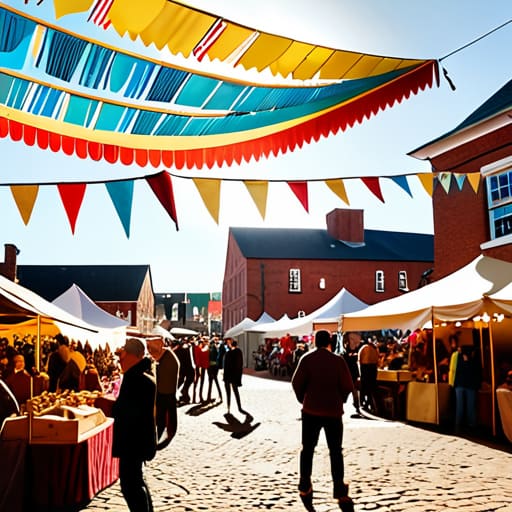
I was sitting in my studio last Tuesday, sanding down a stubborn walnut tabletop, when I realized how much of my time in retail was wasted chasing the wrong kind of “community engagement.” I remember the exhaustion of prepping for endless local events just to stand behind a folding table for six hours, handing out flyers to people who weren’t even in my target demographic. It felt less like marketing and more like performing busywork to satisfy an ego rather than a bottom line. Most small business owners think they need to be everywhere at once to be relevant, but honestly? That’s just a fast track to burnout and a depleted bank account.
I’m not here to tell you how to throw a flashy launch party or how to win a popularity contest. Instead, I’m going to show you how to audit your calendar so you only show up to the local events that actually move the needle for your specific business. We are going to talk about calculating your ROI before you even sign the vendor agreement and how to build systems that keep the momentum going long after the booths are packed away. Let’s stop wasting time and start being intentional.
Table of Contents
- Hyperlocal Marketing Tactics That Actually Scale Your Business
- Turning Community Event Planning Into Sustainable Revenue Streams
- Stop Playing Business Bingo: 5 Ways to Make Local Events Work for Your Bottom Line
- The Bottom Line: Stop Playing Business and Start Building One
- Stop Treating Every Local Mixer Like a Growth Strategy
- Stop Chasing the Crowd and Start Building Roots
- Frequently Asked Questions
Hyperlocal Marketing Tactics That Actually Scale Your Business
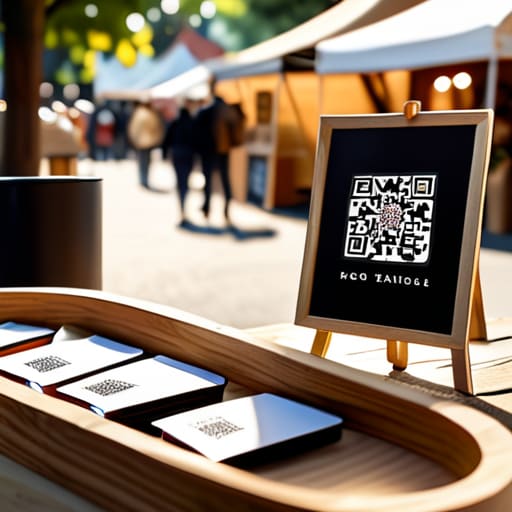
If you’re going to step away from your desk to engage with the community, stop treating it like a social outing and start treating it like a business transaction. Most boutique owners I consult for fall into the trap of “presence for presence’s sake,” showing up to every street fair just to hand out flyers that end up in the trash. Instead, focus on local brand activation that actually creates a memory. If you’re hosting a pop-up or a workshop, ensure there is a clear, low-friction way for people to join your email list or follow your shop. If you aren’t capturing data, you aren’t marketing; you’re just being social.
I also see massive missed potential in how small businesses approach event sponsorship opportunities. Don’t just cut a check to a local charity to get your logo on a banner no one reads. Look for ways to integrate your actual product or service into the experience. If you run a boutique, maybe you provide the decor for a neighborhood gala. You want to be part of the fabric of the community, not just another name on a sponsor list. Real growth happens when your involvement feels organic, not forced.
Turning Community Event Planning Into Sustainable Revenue Streams

Most boutique owners treat community event planning like a charity project—they pour money into a booth, hand out flyers, and hope for the best. That’s not a business strategy; that’s a hobby. If you want these gatherings to actually impact your bottom line, you have to stop looking at them as one-off expenses and start viewing them as platforms for local brand activation. Instead of just showing up, look for ways to integrate your product into the event’s flow so that the interaction feels organic rather than transactional.
To make this sustainable, you need to shift your mindset toward creating repeatable systems. For instance, rather than reinventing the wheel every month, look for event sponsorship opportunities where you can partner with complementary local businesses. This allows you to share the overhead costs while tapping into their existing customer base. If you aren’t tracking the specific cost-per-acquisition from these neighborhood networking events, you aren’t managing a business—you’re just guessing. Stop treating your presence as a donation and start treating it as a calculated move to build long-term loyalty.
Stop Playing Business Bingo: 5 Ways to Make Local Events Work for Your Bottom Line
- Audit the guest list before you commit. If the event is full of other business owners looking for referrals rather than actual customers, skip it. You don’t need more networking contacts; you need more sales.
- Treat every event like a data collection opportunity. If you aren’t walking away with an email address or a way to follow up, you didn’t attend an event—you just went for a walk.
- Stop trying to do everything. It is better to sponsor one high-impact local festival with a meaningful presence than to have a tiny, invisible booth at five different weekend markets.
- Build a “post-event” workflow into your calendar. The magic isn’t in the event itself; it’s in the structured follow-up you do three days later when the lead is still warm.
- Measure the ROI, not just the “vibes.” If you spent $500 on a booth and three hours of your time, you need to know exactly how many new customers that specific effort brought in to justify doing it again.
The Bottom Line: Stop Playing Business and Start Building One
Stop treating every local mixer like a mandatory networking session; if an event doesn’t align with your specific customer profile or your quarterly revenue goals, it’s just an expensive way to waste your afternoon.
Never commit to a community event without a clear, documented system for capturing leads—a stack of business cards on a table is just clutter, not a marketing strategy.
Prioritize high-impact, repeatable local activations over one-off “hype” moments so you can build predictable community engagement without burning yourself out.
Stop Treating Every Local Mixer Like a Growth Strategy
If you’re spending your entire weekend at community festivals just to hand out business cards to people who will never buy from you, you aren’t marketing—you’re just busy. Stop chasing the crowd and start showing up only where your actual customers are, or you’ll find yourself exhausted and broke by the end of the quarter.
Marisol Quintero
Stop Chasing the Crowd and Start Building Roots
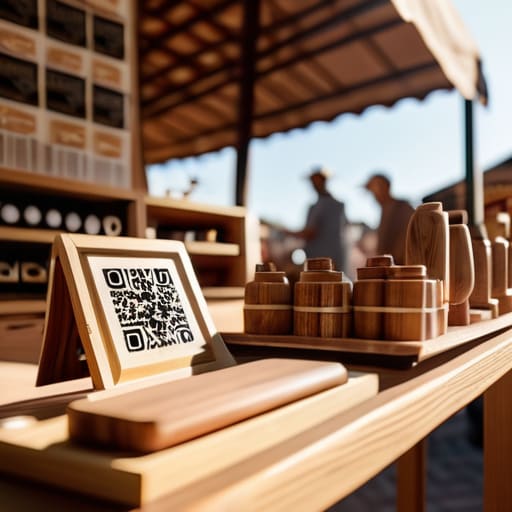
At the end of the day, local events shouldn’t be another item on your endless to-do list that leaves you feeling burnt out and broke. We’ve talked about moving past surface-level visibility and instead focusing on hyperlocal tactics that actually integrate with your existing backend systems. Whether you are optimizing your presence at a community market or turning a pop-up into a predictable revenue stream, the goal remains the same: intentionality over activity. If an event doesn’t align with your numbers or your capacity to follow up with new leads, it’s just expensive noise.
I want you to remember that your business exists to support your life, not to become a life sentence of constant hustle. Don’t let the pressure to “be everywhere” trick you into abandoning the systems that keep you sane. Choose the events that matter, show up with a clear plan, and then get back to the work that actually builds your foundation. When you stop chasing every local trend and start focusing on meaningful community connections, you aren’t just growing a brand—you’re building a sustainable legacy that allows you to actually step away from the desk.
Frequently Asked Questions
How do I figure out if an event is actually worth my time versus just being a glorified networking session?
Stop looking at the guest list and start looking at the math. Before you commit, ask yourself: Is there a direct path to a lead, or am I just paying for expensive appetizers? If you can’t identify three specific types of people who would actually buy your product—not just “people in the industry”—then skip it. Don’t trade your precious operational hours for a stack of business cards that will just gather dust on your desk.
What specific metrics should I be tracking to see if a local event actually impacted my bottom line?
Stop guessing if that farmer’s market booth was worth your weekend. You need to track three things: customer acquisition cost (what did you spend on the booth and staff vs. new customers gained?), coupon redemption rates from event-specific codes, and your post-event email list growth. Most importantly, look at your repeat purchase rate from those specific leads. If they don’t come back to your shop or site within 60 days, you didn’t build a customer; you just bought a temporary distraction.
How can I participate in these community events without letting them completely derail my daily operations?
Stop treating every community event like a mandatory marathon. If you haven’t built a repeatable system for these, they’ll bleed your schedule dry. First, set a strict “event budget”—not just for money, but for hours. If an event doesn’t fit into a pre-defined time slot, skip it. Second, delegate the setup. If you’re the only one who knows how to unpack the booth, you aren’t a founder; you’re a volunteer.
