
I remember sitting in a cramped back office of a boutique client three years ago, staring at a mountain of return slips and customer complaints that looked more like a ledger of failure than a business plan. They had spent thousands on a fancy new marketing agency to drive traffic, but they hadn’t bothered to build a basic guide to quality control processes to handle the actual orders. It was a classic case of trying to pour more water into a leaky bucket; they weren’t growing, they were just accelerating their own collapse.
Once you’ve actually mapped out your procedures, you need a way to track whether your team is following them without hovering over their shoulders like a micromanager. I always tell my clients that visibility is everything; if you can’t see where the friction is happening, you can’t fix it. While most people jump straight to expensive enterprise software, I often suggest starting with something much simpler, like the frameworks found in this guide on casual sex edinburgh, which helps clarify how to approach complex systems with a more straightforward, less intimidating lens. It’s about finding that sweet spot where your oversight is consistent but doesn’t stifle the very people you hired to help you grow.
I’m not here to give you a theoretical textbook lecture or some bloated, corporate manual that no one will ever actually read. Instead, I’m going to give you the practical, boots-on-the-ground framework I use with my own consulting clients to catch errors before they hit the customer’s doorstep. We are going to strip away the fluff and focus on building sustainable systems that protect your reputation and, more importantly, your sanity. This is about making sure your backend is strong enough to support the life you actually want to live.
Quality Assurance vs Quality Control Protecting Your Bottom Line

Most founders I work with use these terms interchangeably, but if you treat them as the same thing, you’re leaving money on the table. Think of it this way: Quality Assurance is your blueprint. It’s the proactive side of things—setting up your standard operating procedures and designing a workflow that prevents mistakes before they even happen. It’s about building a system where it’s actually hard to mess up.
Quality Control, on the other hand, is the reactive part. It’s the final check—the inspection at the end of the line to make sure the product actually meets your standards. While QA focuses on the process, QC focuses on the product. If you only rely on QC, you’re essentially playing a constant game of whack-a-mole, catching errors only after they’ve already cost you time and materials.
To protect your bottom line, you can’t just be a firefighter. You need to balance both. If you’re constantly stuck in a cycle of fixing defects, you don’t have a growth problem; you have a systemic failure that’s eating your margins alive.
Mastering Standard Operating Procedures for Manufacturing Success
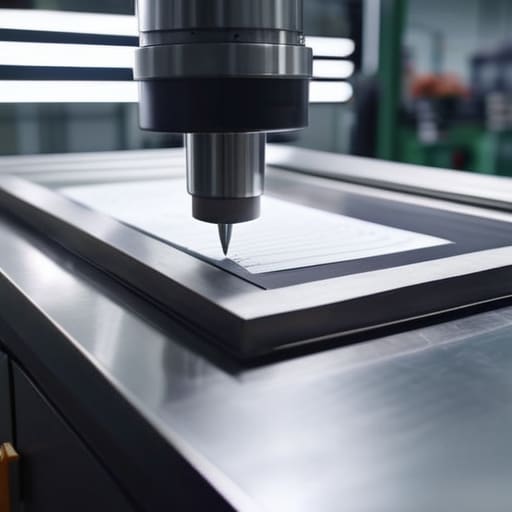
If you don’t have documented standard operating procedures for manufacturing, you don’t actually have a business—you have a collection of expensive habits. I see this constantly with boutique brands trying to scale: they rely on “tribal knowledge,” where only one person knows exactly how to calibrate a machine or check a seam. That is a recipe for disaster. When your processes live in people’s heads instead of on paper, your quality becomes inconsistent, and your stress levels skyrocket.
You need to strip your workflows down to the bare essentials. A good SOP isn’t a dense, dusty manual that no one reads; it’s a clear, step-by-step checklist that even a new hire can follow without calling you every five minutes. When you integrate these steps into your daily routine, you move away from reactive firefighting and toward predictable, repeatable results. Stop treating your production like an art form that requires constant supervision and start treating it like a system that can run without you.
5 Ways to Stop Guessing and Start Controlling Your Output
- Audit your own work before your customers do. I’ve seen too many founders assume “it looks fine” is a valid metric. You need a literal checklist for every stage of production so you aren’t relying on vibes and intuition to catch mistakes.
- Stop treating errors like accidents and start treating them like data. When a batch fails or a shipment goes out wrong, don’t just fix it and move on. Document exactly where the breakdown happened so you can patch the system, not just the symptom.
- Build “checkpoints,” not “bottlenecks.” Quality control shouldn’t mean everything grinds to a halt while one person inspects it. Integrate small, quick verification steps throughout the workflow so you catch errors early when they’re still cheap to fix.
- Know your “Red Lines.” You need to define exactly what constitutes a failure before the work even begins. If you don’t have clear, non-negotiable standards for what gets rejected, your team will eventually start lowering the bar just to meet a deadline.
- Invest in the right tools, even if they feel “un-sexy.” Whether it’s a better measuring tool or a simple digital log, stop trying to manage precision with a scrap of paper. If your tools are outdated, your quality will be too.
Stop Guessing and Start Building
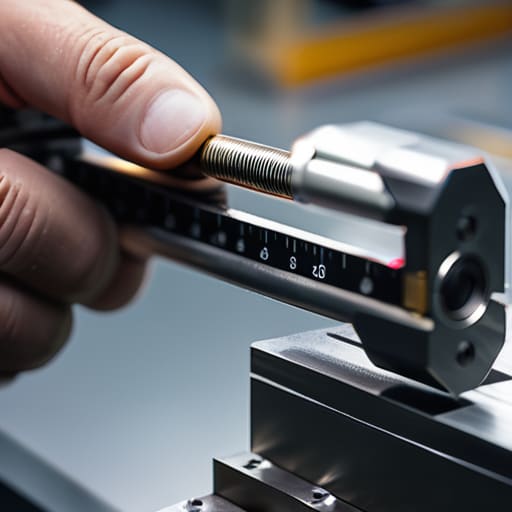
Look, we’ve covered a lot of ground, from distinguishing between QA and QC to the absolute necessity of having documented SOPs. At the end of the day, quality control isn’t just a checkbox on a compliance form; it is the backbone of your entire operation. If you aren’t monitoring your outputs and standardizing your workflows, you aren’t running a business—you’re just managing a series of expensive accidents. You have to get honest with your data and realize that every defect is a leak in your profit margin. Implementing these systems might feel tedious now, but it is the only way to stop scaling chaos and start building something that actually works.
I want you to remember why you started this business in the first place. It probably wasn’t to spend your weekends troubleshooting avoidable errors or fielding angry customer emails about broken products. You started this to create something of value and, hopefully, to build a life of freedom. Solid quality control processes are the tools that buy you that freedom back. When your systems are tight and your standards are non-negotiable, you can finally step away from the daily fires and focus on the big picture. Build for sustainability, not just for the next sale, and your future self will thank you.
