
I was sitting in a client’s back office last Tuesday, watching her stare at a skyrocketing Instagram follower count while her actual revenue sat completely stagnant. She was convinced she needed a fancy new automation tool or a viral video to save her boutique, but the truth was much simpler and much more frustrating: she was ignoring her most valuable asset. Most founders treat email marketing like a digital chore or a graveyard for “special offers,” when in reality, it is the only channel where you actually own the connection to your customer. If you’re building your entire brand on a platform you don’t control, you aren’t building a business; you’re building on borrowed land.
I’m not here to sell you on some complex, high-tech funnel that requires a PhD to manage. In this post, I’m stripping away the fluff to show you how to build a lean, sustainable email strategy that actually moves the needle. We are going to focus on the practical systems that turn a list of names into a predictable revenue stream, without costing you eighty hours a week or your sanity.
Table of Contents
- Mastering Email Marketing Automation Workflows for True Freedom
- Improving Email Deliverability to Protect Your Hard Earned Reach
- Stop Guessing and Start Measuring: 5 Ways to Make Your Email List Actually Work
- The Bottom Line: Systems Over Hype
- ## Stop Renting Your Audience
- Stop Chasing Trends and Start Building Systems
- Frequently Asked Questions
Mastering Email Marketing Automation Workflows for True Freedom

If you’re still manually hitting “send” on every single blast, you aren’t running a business; you’re babysitting a hobby. To actually reclaim your time, you need to implement email marketing automation workflows that work while you’re sleeping or, better yet, while you’re out restoring a teak sideboard. This isn’t about being lazy; it’s about being efficient. I want you to set up triggers—like a welcome sequence for new subscribers or a win-back series for customers who haven’t bought in ninety days. When these systems are dialed in, you stop reacting to your inbox and start proactively nurturing your revenue.
The real magic happens when you move past the “one size fits all” approach. Stop treating your entire list like a monolith. By utilizing smart segmentation strategies for email lists, you can ensure the right person gets the right message at the right time. If a customer only buys your organic cotton line, don’t clutter their inbox with polyester updates. This level of relevance is what drives long-term customer retention through email, and frankly, it’s the only way to keep your engagement rates from tanking.
Improving Email Deliverability to Protect Your Hard Earned Reach
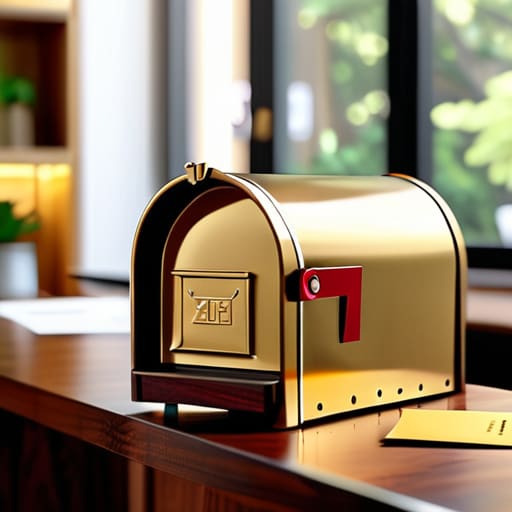
You can spend months perfecting your copy and designing beautiful templates, but it doesn’t matter if your messages are landing straight in the spam folder. I see this mistake constantly with boutique owners: they focus so much on the “what” that they completely ignore the “how.” Improving email deliverability isn’t some mysterious technical wizardry; it’s about maintaining a clean reputation with providers like Gmail and Outlook. If you’re constantly blasting your entire list with every single update, you’re going to get flagged. You need to treat your sender reputation like your store’s physical reputation—keep it clean, or no one will show up.
The most effective way to stay out of the junk folder is to lean into segmentation strategies for email lists. Instead of the “spray and pray” method, start sending targeted content to people who actually want to see it. When your engagement rates go up because your content is relevant, your deliverability follows suit. Stop treating your subscribers like a monolith and start treating them like individual customers. It’s more work upfront, but it’s the only way to ensure your hard-earned reach actually reaches the people who drive your revenue.
Stop Guessing and Start Measuring: 5 Ways to Make Your Email List Actually Work
- Clean your list like you clean your workspace—get rid of the clutter. If someone hasn’t opened an email from you in six months, stop paying to send them messages. It’s hurting your deliverability and wasting your budget.
- Stop sending “blasts” and start sending segments. If you’re selling high-end vintage decor, don’t send the same discount code to your budget-conscious shoppers that you send to your collectors. Treat your customers like individuals, not just rows in a spreadsheet.
- Write subject lines for humans, not algorithms. You don’t need clickbait, but you do need clarity. If I can’t tell exactly what’s inside the email within two seconds, I’m hitting delete. Keep it direct and honest.
- Audit your links before you hit send. There is nothing more unprofessional than a “broken” customer journey. Check every single button and URL on both desktop and mobile; if your backend is messy, your customers will notice.
- Focus on the “Why” behind the click. Don’t just look at open rates; look at what people are actually doing once they get in. Are they clicking through to your site, or are they just glancing and leaving? If they aren’t moving, your content isn’t serving your business goals.
The Bottom Line: Systems Over Hype
Stop treating your email list like a megaphone for every sale; treat it like a database of real people who expect value, not just noise.
If your automation isn’t working while you’re sleeping or working on something else, you haven’t built a system—you’ve just built a digital chore.
Prioritize your technical health (deliverability) over your creative flair; there is zero point in writing the perfect copy if it’s sitting in a spam folder.
## Stop Renting Your Audience
Stop obsessing over viral posts and start building an email list; if you don’t own your audience data, you don’t actually own your business.
Marisol Quintero
Stop Chasing Trends and Start Building Systems

At the end of the day, email marketing isn’t about finding a magic hack or the perfect subject line that goes viral. It’s about the unglamorous, essential work of building a reliable infrastructure. We’ve talked about why you need automation to reclaim your time and why deliverability is the only way to ensure your message actually reaches the people who care. If you don’t have those foundational systems in place, you’re just shouting into a void and hoping for the best. Stop treating your email list like an afterthought and start treating it like the most valuable asset your business owns.
I want you to take a breath and remember why you started this business in the first place. It wasn’t to spend your entire weekend troubleshooting software or panicking over algorithm shifts. It was to build something that works for you. When you prioritize clean data, smart workflows, and genuine connection over flashy trends, you aren’t just growing a list—you are building a sustainable business. Get your backend right, master your numbers, and let your systems do the heavy lifting so you can finally get back to the work that actually matters to you.
Frequently Asked Questions
How do I know if my current email list is actually healthy or just a collection of dead leads wasting my budget?
Stop looking at your total subscriber count; that’s a vanity metric that doesn’t pay the bills. If your open rates are tanking and your click-throughs are non-existent, you aren’t building an audience—you’re managing a digital graveyard. Look at your engagement data over the last ninety days. If a segment hasn’t touched an email in months, purge them. It hurts to see the number drop, but a lean, active list beats a bloated, dead one every time.
I'm already stretched thin—how much time should I realistically spend on content creation versus technical setup?
Look, I see this mistake every day: founders spending forty hours a week crafting the “perfect” newsletter while their automation is broken and their list is rotting. Stop it. Spend 80% of your energy on the technical setup and systems first. If your backend isn’t automated, your content is just a treadmill. Once the plumbing works, content becomes a manageable task, not a second full-time job. Build the engine before you try to drive.
At what point does my business actually need a dedicated email platform versus just sticking to basic manual blasts?
The moment you find yourself manually exporting CSV files or dreading the “send” button because you’re terrified of hitting the wrong person, you’ve outgrown your current setup. If you’re spending more time managing your contact list than actually analyzing your sales data, it’s time to upgrade. Don’t wait until a manual mistake costs you a major client. Invest in a platform once your list hits a size where human error becomes a real liability.
