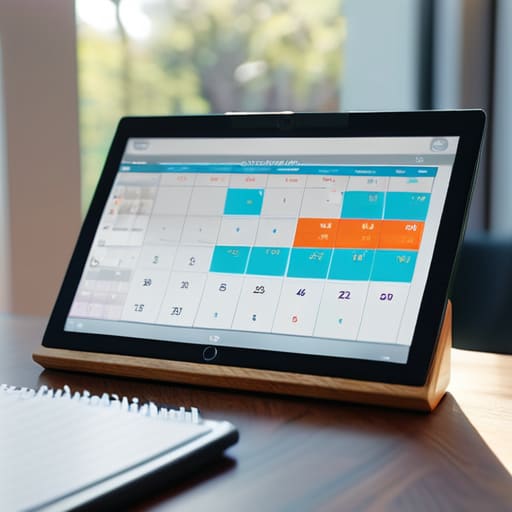
I spent fifteen years in high-volume retail, and if there is one thing I learned, it’s that a flashy new app won’t fix a fundamentally broken schedule. I see so many boutique owners dumping hundreds of dollars into complex calendar management tools thinking a premium subscription will magically grant them more hours in the day. It’s a lie. You can have the most expensive, color-coded, automated interface in the world, but if you haven’t mastered your own boundaries, you’re just paying for a prettier way to stay overwhelmed.
I’m not here to sell you on a digital miracle or a complicated workflow that requires a PhD to navigate. My goal is to help you cut through the noise and find the specific, stripped-back systems that actually work for a growing business. I’m going to show you how to evaluate these tools based on utility rather than hype, ensuring they serve your life instead of becoming another chore on your to-do list. Let’s get your time back so you can actually run your business instead of just reacting to it.
Table of Contents
Mastering Automated Scheduling Software to Reclaim Your Life

If you’re still playing email tag just to book a fifteen-minute discovery call, you aren’t running a business; you’re running a marathon on a treadmill. I see this constantly with my boutique clients: they have brilliant products, but they are drowning in the manual labor of coordinating meetings. Implementing automated scheduling software isn’t just about convenience; it’s a fundamental part of workflow optimization techniques that protects your mental bandwidth. When you hand that repetitive task over to a system, you stop being a glorified secretary and start acting like the CEO.
The goal here is to build a gatekeeper. You need a setup where your availability is clearly defined, preventing that constant, low-grade anxiety of double-booking or missing a crucial appointment. I’m a huge advocate for digital planner integration because your schedule shouldn’t live in a vacuum. When your booking links sync directly with your primary calendar, you gain a level of clarity that manual entry can never provide. It’s about creating a seamless loop where your time is respected by your clients and, more importantly, by yourself.
Workflow Optimization Techniques Over Social Media Hype

I see founders every week who are obsessed with their TikTok engagement metrics while their actual daily operations are a dumpster fire. They’re chasing likes, but they can’t even book a client consultation without three back-and-forth emails. That isn’t growth; it’s a recipe for burnout. If you want to scale, you need to stop looking at viral trends and start looking at workflow optimization techniques that actually protect your time.
Real efficiency isn’t about being “busy”; it’s about being intentional. Instead of jumping on every new platform, focus on how your tools talk to each other. For instance, a seamless digital planner integration can bridge the gap between your high-level strategy and your daily tasks, ensuring nothing slips through the cracks. When your backend is tight, you aren’t just reacting to the chaos of the day—you’re actually executing a plan. Stop trying to be everywhere at once and start building a foundation that allows you to actually step away from your desk without the whole thing collapsing.
Five Ways to Stop Playing Tag with Your Calendar
- Stop treating your calendar like a wish list. If it isn’t in the calendar, it doesn’t exist. I see so many founders “meaning” to do deep work, but they never actually block the time, so they end up just reacting to everyone else’s emergencies all day.
- Audit your “buffer” time. One of the biggest mistakes I see is back-to-back scheduling. If you don’t build in 15-minute gaps between meetings, you aren’t actually managing your time—you’re just setting yourself up for a burnout-induced meltdown by 3 PM.
- Sync your tools, but keep it simple. You don’t need a complex ecosystem of five different apps. Pick one scheduling tool that integrates with your existing calendar and stick to it. Complexity is just another word for friction, and friction kills productivity.
- Color-code by energy, not just by task. I use specific colors for client meetings, deep operational work, and personal time. It gives me an instant, visual reality check of where my life is actually going. If your week is a solid wall of “client red,” you’re headed for a crash.
- Set strict boundaries with your booking links. Automated scheduling is a gift, but only if you use the settings correctly. Don’t allow people to book a meeting with you ten minutes from now or at 7 PM on a Tuesday. Set your availability windows and defend them like your business depends on it—because it does.
The Bottom Line on Reclaiming Your Time
Stop treating your calendar like a reactive to-do list; treat it like a strategic roadmap that protects your deep work and your personal life.
Automation isn’t a luxury for big corporations—it’s a survival tool for small business owners who want to stop being the bottleneck in their own workflows.
Before you spend another dime on a fancy new scheduling app, make sure you actually understand your current time leaks and your real capacity.
Systems Over Chaos
A fancy scheduling tool won’t fix a broken business, but a well-implemented system will stop you from drowning in your own inbox. Stop treating your calendar like a suggestion box and start treating it like the blueprint for your sanity.
Marisol Quintero
Stop Reacting and Start Leading
At the end of the day, calendar management isn’t about finding a shiny new app to download; it’s about deciding how you want to spend your most finite resource. We’ve covered why you need to move past the social media hype and focus on actual workflow optimization, and why automated scheduling is a non-negotiable if you want to stop the endless back-and-forth email chains. If you implement these systems, you aren’t just “organizing your day”—you are building a defensive perimeter around your focus. Stop treating your schedule like a game of whack-a-mole and start treating it like the strategic asset it actually is.
I want you to remember why you started this business in the first place. It wasn’t to become a slave to a notification bell or to spend your Sunday nights dreading a Monday morning calendar that looks like a battlefield. You started this to build something that serves your life, not the other way around. Use these tools to create space, not just to pack more tasks into a day. When your backend processes are tight and your time is protected, you finally have the breathing room to actually lead instead of just surviving the chaos. Now, go close your laptop and reclaim your evening.
Frequently Asked Questions
How do I know if I actually need a new tool or if my current process is just messy?
Before you go buying another subscription, look at your actual friction points. If you’re losing time because you don’t know where your data is, that’s a process problem. If you’re losing time because your current software literally cannot perform a task you do daily, that’s a tool problem. Don’t buy a shiny new hammer just because your current one feels heavy; fix your workflow first, or you’ll just be paying to automate chaos.
Won't automating my scheduling make my client relationships feel cold or impersonal?
Look, I get the fear. You don’t want to sound like a robot. But here’s the reality: nothing feels more impersonal than a client waiting three days for you to email them back just to find a time to talk. Automation isn’t about replacing the human touch; it’s about removing the friction. Use the software to handle the logistics so that when you actually get on that call, you’re focused on them, not your calendar.
What's the best way to integrate these tools without adding more "digital clutter" to my workday?
The secret is to pick one source of truth and stick to it. If your scheduling tool doesn’t talk to your primary calendar, you’re just creating more manual work and more places for things to fall through the cracks. Don’t layer on five different apps because they have “cool” features. Pick one robust system that integrates seamlessly with your existing workflow, automate the handshakes between them, and then—this is the hard part—stop looking for the next shiny object.
