
I remember sitting on a floor covered in bubble wrap and half-taped boxes, staring at a mountain of unfulfilled orders while my phone buzzed incessantly with angry customer emails. It was 2:00 AM, my back ached, and I realized that all the fancy Instagram marketing in the world couldn’t save me if my e-commerce fulfillment was a total wreck. Most founders think they have a sales problem, but after fifteen years in retail, I can tell you it’s usually an operations problem in disguise. You can’t launch a massive holiday campaign if your backend is held together by sheer willpower and luck.
I’m not here to sell you on some expensive, over-engineered software suite that you’ll only use ten percent of. My goal is to help you strip away the chaos and build a system that actually works. In this post, I’m going to walk you through the practical realities of managing your orders without losing your mind or your profit margins. We’re going to focus on the actual numbers and the streamlined workflows you need to scale sustainably, so your business finally starts serving your life instead of consuming it.
Table of Contents
- Ditch the Guesswork With Real Inventory Accuracy Strategies
- Why Order Fulfillment Automation Protects Your Personal Time
- Five Ways to Stop Your Fulfillment Process From Eating Your Life
- The Bottom Line on Scaling Without Burning Out
- The Hard Truth About Scaling
- Stop Managing Chaos and Start Building a Business
- Frequently Asked Questions
Ditch the Guesswork With Real Inventory Accuracy Strategies
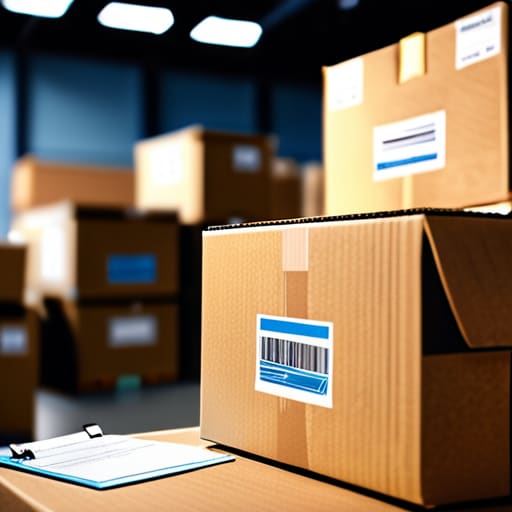
If you’re still relying on a mental tally or a messy spreadsheet to know what’s actually sitting on your shelves, you aren’t running a business—you’re playing a high-stakes guessing game. I’ve seen too many boutique owners celebrate a massive sales spike, only to realize three days later they’ve oversold items they don’t even have in stock. That’s how you lose customer trust, and trust is much harder to rebuild than a broken workflow. You need to implement rigorous inventory accuracy strategies that tie your digital storefront directly to your physical stock levels.
Stop trying to “muscle through” the manual entry. If your volume is growing, you need to invest in a decent warehouse management system that talks to your shop in real-time. It’s not about being fancy or tech-obsessed; it’s about knowing your actual numbers before you hit “send” on a marketing campaign. When your data is reliable, you can finally stop panicking about stockouts and start focusing on actual growth instead of constant damage control.
Why Order Fulfillment Automation Protects Your Personal Time

Look, I’ve seen too many founders treat their “business” like a high-stakes game of Tetris played at 2:00 AM. You start with a few orders a week, and suddenly, you’re drowning in packing tape and shipping labels, unable to even grab a coffee without checking your phone for tracking updates. That isn’t entrepreneurship; it’s a self-imposed prison. Implementing order fulfillment automation isn’t just about speed—it’s about reclaiming your sanity. When your system handles the repetitive, soul-crushing tasks of routing and labeling, you stop being a manual laborer in your own company and start being the CEO.
The goal is to build a business that functions while you’re actually living your life, whether that’s restoring a vintage sideboard or just sleeping through the night. By integrating a reliable warehouse management system, you create a layer of protection between your personal time and the chaos of daily shipments. You shouldn’t have to be the bottleneck for every single package that leaves your door. Systems should work for you, not the other way around.
Five Ways to Stop Your Fulfillment Process From Eating Your Life
- Audit your packaging workflow before you buy more inventory. If your team is spending twenty minutes wrestling with a single box because the tape is bad or the size is wrong, you’re bleeding margin every single day.
- Stop treating shipping costs like a mystery. If you aren’t reviewing your carrier rates and dimensional weight every quarter, you’re essentially handing your profits back to the postal service.
- Standardize your picking zones. Don’t let your staff wander around the warehouse like they’re in a grocery store; organize your highest-velocity SKUs closest to the packing station to cut down on wasted movement.
- Build a “failure protocol” for returns. A messy return process is just a slow way to lose customer trust and inventory accuracy. Decide now exactly how a returned item gets inspected, logged, and put back on the shelf.
- Get your documentation in writing. If your fulfillment process lives entirely in your head or in a series of frantic Slack messages, you don’t have a system—you have a hobby that’s going to break the moment you try to scale.
The Bottom Line on Scaling Without Burning Out
Stop treating fulfillment like an afterthought; if your shipping and inventory processes are a mess, no amount of marketing spend will save your margins.
Prioritize automation not because it’s trendy, but because it buys you back your time and prevents the manual errors that eat your profits.
Real growth is built on data, not vibes—know your exact fulfillment costs and inventory turnover before you decide to scale.
The Hard Truth About Scaling
You can spend thousands on Instagram ads to drive traffic to your site, but if your fulfillment process is a disorganized mess, you aren’t building a brand—you’re just paying to acquire unhappy customers.
Marisol Quintero
Stop Managing Chaos and Start Building a Business

Look, I’ve seen it a hundred times: founders trying to pour gasoline on their marketing efforts while their warehouse is essentially a burning building. You can have the most beautiful Instagram feed in the world, but if your inventory counts are wrong and your fulfillment is manual and error-prone, you aren’t growing—you’re just scaling your own stress. We’ve covered why you need real inventory accuracy and why automation isn’t a luxury, it’s a survival tactic for your sanity. Fix the backend, tighten up those numbers, and stop treating your fulfillment process like an afterthought.
At the end of the day, the goal isn’t just to move more boxes; it’s to build a business that actually works for you. I didn’t leave the retail floor just to help people work eighty-hour weeks managing shipping errors. You deserve a system that runs smoothly while you’re actually living your life, whether that’s working on a vintage sideboard or just taking a Saturday off without checking your email every ten minutes. Build your systems on a foundation of solid operations, not on a prayer. That is how you create something that lasts.
Frequently Asked Questions
How do I know if it’s actually time to hire a 3PL or if I should just keep managing fulfillment in-house?
Look at your calendar and your margins. If you’re spending your evenings taping boxes instead of looking at your growth strategy, you’ve already hit the limit. If your shipping error rate is creeping up because you’re exhausted, or if your storage costs are eating your profit, it’s time. Don’t wait for a massive mistake to force your hand. If fulfillment is no longer a task you can manage in the “cracks” of your day, outsource it.
What are the specific red flags that tell me my current inventory management system is failing before it actually crashes?
If you’re constantly playing “inventory Tetris”—manually checking shelves because the software says one thing and the box says another—you’re already failing. Watch for these red flags: frequent “out of stock” emails sent to customers who just ordered, a growing pile of unrecorded returns, and that nagging feeling that you’re over-ordering certain SKUs just to be safe. If your spreadsheets feel like a work of fiction, your system isn’t just lagging; it’s broken.
How much of my actual profit margin am I losing to shipping errors and inefficient packaging processes?
You’re likely bleeding much more than you realize. Between the cost of reshipping wrong items, the labor hours spent fixing mistakes, and the “invisible” cost of a customer who never returns, shipping errors can easily eat 3% to 7% of your bottom line. If your packaging is inefficient, you’re also paying to ship air and wasting money on excess materials. Stop treating shipping as a fixed cost; it’s a variable leak that needs plugging.
