
I was sitting on a milk crate in a cramped, unventilated warehouse three years ago, staring at a mountain of mismatched inventory and a spreadsheet that made absolutely no sense. The smell of stale cardboard and industrial tape was thick in the air, and all I could think was that this client was bleeding money through every crack in their operation. They had spent thousands on a flashy new website, yet they were completely drowning because their supply chain logistics were nothing more than a series of frantic, last-minute emails and “best guesses.” It’s a scene I’ve witnessed far too often: brilliant founders who are so focused on the “front end” of their business that they completely ignore the plumbing that actually keeps the lights on.
I’m not here to sell you on some expensive, enterprise-grade software that you don’t need or a complex theoretical framework that won’t work in the real world. My goal is to strip away the jargon and give you the practical, ground-level tactics you need to get your inventory moving without losing your mind. We are going to look at your processes through a lens of efficiency and sanity, ensuring your backend supports your growth instead of sabotaging your freedom.
Table of Contents
- Mastering End to End Supply Chain Integration Before You Burn Out
- Why Visibility Technology Matters More Than Your Latest Viral Trend
- 5 Ways to Stop Your Supply Chain From Draining Your Sanity
- The Bottom Line on Supply Chain Stability
- ## Systems Over Hype
- Stop Guessing and Start Building
- Frequently Asked Questions
Mastering End to End Supply Chain Integration Before You Burn Out
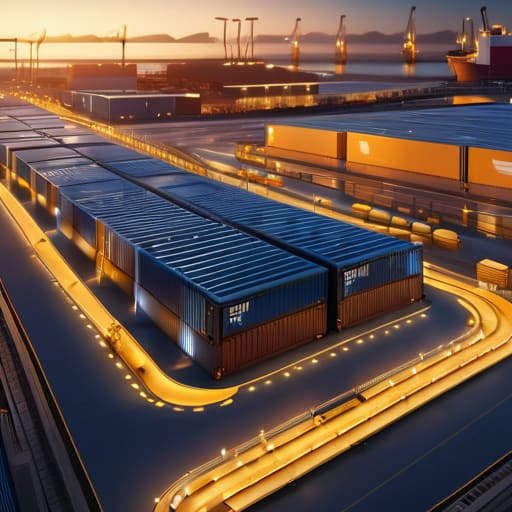
Most founders I consult with treat their supply chain like a series of disconnected islands. You’ve got a supplier in one corner, a warehouse in another, and a shipping partner you barely talk to. When these pieces don’t communicate, you aren’t running a business; you’re just managing a series of fires. To stop the burnout, you need to prioritize end-to-end supply chain integration. This isn’t about buying every shiny new software on the market; it’s about ensuring that data flows seamlessly from the moment a raw material is ordered to the second a customer signs for their package.
If you don’t have a clear view of your inventory levels or transit times, you’re making decisions based on gut feelings rather than facts. I always tell my clients to invest in reliable warehouse management systems that actually talk to their sales platforms. When your systems are siloed, you end up over-ordering stock you don’t need or, even worse, promising products to customers that aren’t even in the building. Stop guessing and start building a system that gives you actual visibility into your operations.
Why Visibility Technology Matters More Than Your Latest Viral Trend

I see it every single week: a boutique founder spends thousands on a TikTok influencer campaign, only to have their customer service inbox explode because they have no idea where the actual orders are. They’re chasing a viral moment while their backend is a black hole. You can have all the engagement in the world, but if you can’t track a shipment from the manufacturer to the doorstep, you aren’t building a brand—you’re building a reputation for unreliability.
Investing in supply chain visibility technology isn’t about following a tech trend; it’s about reclaiming your sanity. When you implement robust warehouse management systems, you stop playing a guessing game with your inventory levels. You move from reactive firefighting to proactive management. Instead of spending your Sunday nights frantically emailing suppliers to find out why a shipment is stalled, you can actually see the bottleneck before it becomes a crisis. Real growth happens when your data tells you the truth, allowing you to focus on your life instead of chasing lost boxes.
5 Ways to Stop Your Supply Chain From Draining Your Sanity
- Audit your vendor list every single quarter. If you’re hanging onto a supplier just because “that’s how we’ve always done it,” you’re likely overpaying or risking a bottleneck you can’t afford.
- Stop treating inventory like a guessing game. You need a real-time tracking system, not a spreadsheet you update once a week when you finally have a spare minute.
- Build a “Plan B” for your most critical components. Relying on a single source for your best-selling item isn’t a strategy; it’s a ticking time bomb for your cash flow.
- Tighten your communication loops with shipping partners. If you aren’t getting proactive updates on delays, you’re going to be the one stuck apologizing to angry customers on Instagram.
- Focus on your lead times, not just your unit costs. A cheap product that takes three months to arrive is actually incredibly expensive when you factor in the lost sales and the stress it puts on your team.
The Bottom Line on Supply Chain Stability
Stop throwing money at marketing until you can actually fulfill the orders you’re generating; scaling a broken fulfillment process is just a faster way to go broke.
Real visibility isn’t about fancy software dashboards—it’s about knowing exactly where your inventory is and when it’s hitting your warehouse so you can stop managing by guesswork.
Build systems that work when you aren’t looking; if your supply chain requires you to be on call 24/7 to fix shipping errors, you don’t have a business, you have a high-stress job.
## Systems Over Hype
Stop pouring money into customer acquisition when your fulfillment process is a house of cards; you aren’t building a brand if you can’t actually deliver on your promises without losing your mind.
Marisol Quintero
Stop Guessing and Start Building

At the end of the day, supply chain logistics isn’t about having the flashiest software or the most complex global network; it’s about predictability. We’ve talked about why you can’t ignore end-to-end integration and why visibility is your best defense against chaos. If you keep trying to layer fancy marketing on top of a fragmented, invisible supply chain, you aren’t growing—you’re just accelerating your own burnout. You need to know your numbers and trust your flow before you even think about hitting the gas on expansion.
I want you to remember that your business exists to support your life, not the other way around. A well-oiled supply chain is the difference between a founder who is constantly putting out fires and a founder who actually has time to enjoy the fruits of their labor. Don’t let the pursuit of “more” distract you from the necessity of “better.” Build your systems with intention, focus on the fundamentals, and create a foundation that allows you to scale with confidence rather than constant anxiety. You’ve got this, but only if you build it to last.
Frequently Asked Questions
How do I actually start tracking my real numbers without getting buried in spreadsheets?
Stop trying to build a massive spreadsheet before you even know what you’re looking for. You’ll just end up staring at rows of data and feeling paralyzed. Start with three numbers: your landed cost per unit, your customer acquisition cost, and your current inventory turnover. Use a simple tool—even a dedicated notebook or a basic dashboard—to track these weekly. If you can’t see the trend in five minutes, you’re overcomplicating it.
Is it worth investing in expensive inventory software if I'm still just a small team?
Look, I get the hesitation. You don’t want to sink your precious cash flow into a high-end enterprise system when you’re still a skeleton crew. But here’s the reality: if you’re still tracking stock on a messy spreadsheet that breaks every time someone enters a typo, you aren’t “saving money”—you’re paying a “chaos tax” in lost time and missed sales. Don’t buy the most expensive suite on the market, but do invest in something that actually automates your data. Stop manual entry before it eats your week.
How do I know if my current suppliers are actually helping me grow or just slowing me down?
Look at your lead times and your error rates, not your relationship with them. If you’re constantly playing firefighter—chasing down late shipments or dealing with incorrect SKU counts—that supplier is a liability, not a partner. A good supplier should act as an extension of your operations, providing predictable data so you can actually plan. If you can’t forecast your inventory because their communication is a black hole, they’re just adding friction to your growth.
