
I see so many boutique owners pouring their entire quarterly budget into a single, flashy launch party, only to realize three weeks later that they haven’t actually captured a single meaningful lead. It’s a classic mistake: chasing the dopamine hit of a crowded room without having the backend systems to turn those faces into repeat customers. If you’re just looking for a list of trendy event marketing ideas to fill your calendar, you’re probably just setting yourself up for more burnout. Real event marketing isn’t about the spectacle; it’s about creating a repeatable, measurable bridge between a physical interaction and your bottom line.
In this post, I’m stripping away the fluff to give you five specific, systems-driven strategies that actually move the needle. We aren’t going to talk about “vibes” or “aesthetic setups” that look good on Instagram but fail to convert. Instead, I’ll show you how to implement intentional event frameworks that prioritize data capture and customer retention. By the time you finish reading, you’ll know exactly how to host events that serve your business—and your schedule—rather than just draining your bank account.
Table of Contents
- Host Micro-Workshops for High-Intent Leads
- Leverage Strategic Local Partnerships
- Curated In-Store VIP Evenings
- Interactive Product Demonstrations
- Targeted Webinar Series for Service Providers
- The Bottom Line: Systems Over Hype
- The Truth About Event ROI
- Stop Chasing Hype and Start Building Systems
- Frequently Asked Questions
Host Micro-Workshops for High-Intent Leads

Forget the massive, expensive trade shows that leave you with a pile of business cards you’ll never actually call. Instead, I want you to look at hosting small, focused workshops that solve one specific problem for your target customer. When you limit the scale, you can actually control the environment and ensure every person in that room is a qualified lead who is actually interested in what you do.
Leverage Strategic Local Partnerships

You don’t always need to build an audience from scratch if you can tap into one that already exists. I always tell my clients to look for “adjacent” businesses—companies that serve the same demographic as you but don’t compete for the same dollar. A pop-up shop inside a complementary boutique or a joint seminar with a local service provider can drastically reduce your acquisition costs by leveraging established trust.
Curated In-Store VIP Evenings
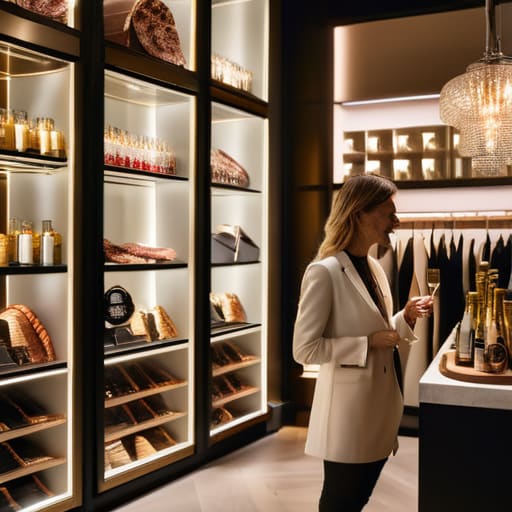
If you have a physical retail space, stop treating it like a mere transaction point and start treating it like a community hub. Hosting exclusive, after-hours shopping events for your top 20% of customers creates a sense of belonging that a Facebook ad simply cannot replicate. This isn’t about a massive sale; it’s about rewarding loyalty and increasing the lifetime value of your best clients.
Interactive Product Demonstrations
People are tired of being sold to, but they love to learn how things work. If your product has a learning curve or a unique way of solving a problem, get it into their hands through a live demonstration. This moves the conversation away from “what does this cost?” and toward “how does this improve my life?“
Targeted Webinar Series for Service Providers
If you sell services rather than physical goods, your “event” should live in the digital space, but it needs to be more than just a rambling Zoom call. I recommend a structured webinar series that tackles a specific industry hurdle. This positions you as the authority in your niche and allows you to reach people far beyond your immediate geographic location without the overhead of a physical venue.
The Bottom Line: Systems Over Hype
Stop chasing vanity metrics like “foot traffic” or “likes” if you aren’t tracking how many of those attendees actually turn into paying customers.
An event is only as good as your follow-up; if your lead capture system is a messy spreadsheet or a pile of business cards, you’re just throwing money away.
Scale your marketing only when your backend can handle it—don’t launch a massive activation if your inventory or fulfillment process is already breaking.
The Truth About Event ROI
“Stop measuring the success of your events by how many people showed up or how many selfies were taken; if your event doesn’t feed into a documented lead capture system and a clear follow-up workflow, you aren’t marketing—you’re just hosting a party on your own dime.”
Marisol Quintero
Stop Chasing Hype and Start Building Systems
At the end of the day, these event marketing ideas only work if you have the infrastructure to support them. Whether you are hosting an intimate in-store workshop or a larger community pop-up, the goal isn’t just to get people through the door; it’s about what happens after they leave. If you can’t capture an email address, track where your attendees came from, or follow up with a seamless automated sequence, you aren’t marketing—you’re just hosting a party. Don’t let a successful afternoon of high energy turn into a wasted investment because your backend processes couldn’t keep up with the momentum.
I want you to take a breath and remember why you started this business in the first place. You didn’t launch a brand to become a full-time event planner or to spend every weekend chasing the next big social media trend. Use these strategies to build real, measurable connections that feed your bottom line and support your long-term vision. When you focus on systems over spectacle, you create a business that actually serves your life instead of consuming it. Now, pick one idea, get your numbers in order, and execute it with intention.
Frequently Asked Questions
How do I actually measure if an event was successful beyond just counting how many people showed up?
Stop obsessing over headcount. A room full of people who won’t buy anything is just an expensive party. I want to see your conversion rate: how many attendees actually moved into your sales funnel or signed up for your newsletter? Look at your cost-per-acquisition versus the lifetime value of those new leads. If you aren’t tracking specific, measurable actions tied to your bottom line, you aren’t marketing—you’re just hosting a social hour.
At what point does the cost of hosting a physical event stop being a smart investment and start becoming a drain on my margins?
It stops being an investment the moment you can’t track the ROI against your actual overhead. If you’re spending $5k on a venue and catering but can’t tell me exactly how many qualified leads turned into sales three months later, you aren’t marketing—you’re just hosting a party. If the cost-per-acquisition exceeds your customer lifetime value, pull the plug. Stop prioritizing “vibes” over your margins; a beautiful event is a failure if it bleeds cash.
How can I integrate my event follow-up into my existing CRM so my team isn't just letting leads go cold the next morning?
Stop treating your event leads like a separate pile of paperwork. If they aren’t in your CRM by the time you’re back at your desk, they don’t exist. Use a tool like Zapier to automate the bridge between your lead capture form and your CRM so data flows instantly. If you’re still using paper business cards, stop. Switch to digital scanning that syncs directly to your database. Build the system first; the follow-up is just execution.
