
I was sitting in a client’s back office last Tuesday, staring at a dashboard that looked like a cockpit of a fighter jet, and all I could think was: who is this actually for? They were paying a monthly premium for a suite of “all-in-one” customer feedback tools that promised deep psychological insights, yet they couldn’t tell me why their repeat purchase rate had plummeted three months in a row. Most of these platforms are just expensive ways to collect digital clutter that no one actually reads. If you’re just collecting data to feel like you’re “doing something” about your growth, you aren’t building a business; you’re just buying a distraction.
I’m not here to sell you on a shiny new SaaS subscription or a complicated automation workflow that requires a degree to manage. My goal is to help you cut through the noise and find the specific, practical customer feedback tools that actually feed your bottom line and fix your broken processes. I’m going to show you how to stop guessing what your customers want and start measuring what they actually do, so you can get your systems running smoothly and finally get your life back.
Table of Contents
- Why Automated Feedback Collection Beats Social Media Noise
- Using Real Time Survey Solutions to Fix Your Broken Systems
- Stop Collecting Data for the Sake of It: 5 Ways to Actually Use Your Feedback
- The Bottom Line: Stop Guessing and Start Building
- ## Stop Chasing Likes and Start Looking at the Data
- Stop Guessing and Start Building
- Frequently Asked Questions
Why Automated Feedback Collection Beats Social Media Noise
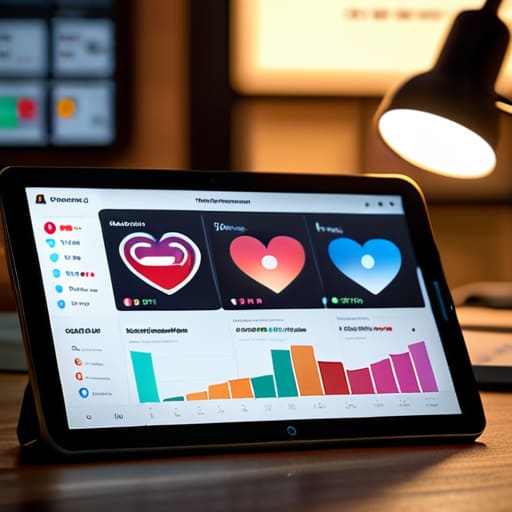
I see so many boutique owners obsessing over their Instagram engagement or the “vibes” of their latest reel, thinking that a flurry of likes equals a healthy business. It doesn’t. Social media is a vanity metric; it’s loud, it’s public, and frankly, it’s often a distraction from what’s actually happening in your shop or on your site. If you’re relying on comments and DMs to gauge how you’re doing, you’re playing a guessing game. You need to stop listening to the noise and start looking at the signal.
This is where automated feedback collection changes the game for your sanity. Instead of scanning through hundreds of random notifications, you can use voice of the customer platforms to pull direct, private, and actionable data from the people who actually pay your bills. When you automate this process, you aren’t just collecting opinions; you’re gathering the raw material needed to fix broken workflows. It moves you away from “I think people like this” to “I know exactly why this process is failing.” That’s how you build a business that runs on systems, not on your constant, frantic attention.
Using Real Time Survey Solutions to Fix Your Broken Systems

Most founders I consult with are running their businesses on gut feelings and “vibes,” which is a recipe for burnout. If a customer has a terrible experience and you don’t find out until their one-star review hits Google three weeks later, you’ve already lost. By then, you’re playing defense. Using real-time survey solutions allows you to catch the friction points while they are still fresh. It turns a potential disaster into a quick operational fix, preventing the same mistake from draining your time and energy tomorrow.
Instead of wading through endless spreadsheets, you need to integrate voice of the customer platforms directly into your existing workflow. The goal isn’t to collect data for the sake of having it; it’s to use that data to rebuild your broken processes. If your survey shows a spike in frustration regarding shipping delays every Tuesday, you don’t need a new marketing campaign—you need to look at your fulfillment schedule. Stop trying to out-market a bad experience and start using actual data to build a business that actually works.
Stop Collecting Data for the Sake of It: 5 Ways to Actually Use Your Feedback
- Pick one metric and stick to it. Don’t drown in a sea of different scores; choose one clear indicator—like Net Promoter Score or a simple satisfaction rating—so you can actually track if your operational changes are moving the needle.
- Look for the patterns, not the outliers. One angry customer on a Tuesday doesn’t mean your business is failing, but if five people mention the same friction point in your checkout process, you’ve found a broken system that needs fixing.
- Close the loop immediately. A feedback tool is useless if the data just sits in a spreadsheet; when you see a recurring issue, fix the workflow, tell the customer what you did, and get back to running your business.
- Automate the collection, but keep the questions human. Use your tools to trigger surveys after a purchase, but keep the language simple and direct—nobody wants to fill out a twenty-minute academic survey just to tell you their shipping was late.
- Connect feedback to your bottom line. If you aren’t looking at how customer satisfaction correlates with your repeat purchase rate, you aren’t using the data; you’re just collecting digital clutter.
The Bottom Line: Stop Guessing and Start Building
Stop chasing vanity metrics like Instagram likes; prioritize feedback tools that give you hard data on why customers are actually leaving or staying.
Use real-time data to fix your operational leaks immediately, rather than waiting for a monthly review to realize your systems are broken.
Build your feedback loops around improving your backend processes, not just adding more noise to your marketing strategy.
## Stop Chasing Likes and Start Looking at the Data
“I see so many founders burning out trying to read the room on Instagram, thinking comments are a strategy. They aren’t. If you want to scale without losing your mind, stop guessing based on social media noise and start using feedback tools that give you the hard numbers. You can’t fix a broken workflow with a ‘like,’ but you can certainly fix it with real data.”
Marisol Quintero
Stop Guessing and Start Building

At the end of the day, customer feedback tools aren’t just another line item in your software budget; they are the diagnostic tools you need to keep your business from running off a cliff. We’ve talked about moving away from the vanity metrics of social media comments and instead focusing on automated, real-time data that actually tells you where your operations are leaking money. Whether you are using a simple survey tool or a complex feedback loop, the goal is the same: stop guessing what your customers want and start fixing the systems that are actually driving your revenue.
I know it feels easier to just keep pushing more ads or chasing the latest algorithm shift, but you can’t scale a house built on sand. Use these tools to build a foundation of hard numbers and clear processes so that your business can eventually run without you hovering over it every single second. Remember, the goal isn’t just to have a profitable company; it’s to build a sustainable business that gives you your time back. Now, close the laptop, grab your notebook, and go look at your actual data.
Frequently Asked Questions
How do I choose a tool that won't just add more clutter to my already busy workday?
Look, I get it. You don’t need another dashboard to check every morning. If a tool doesn’t integrate directly into your existing workflow—like your Shopify store or your email provider—it’s just digital clutter. Skip the “all-in-one” platforms that try to do everything poorly. Pick something lean that sends actionable data straight to where you already work. If it requires an extra hour of manual data entry, it’s not a tool; it’s a chore.
At what point do I stop collecting data and actually start making changes to my operations?
Stop waiting for a “perfect” data set. If you wait until you have every single data point, you’re just procrastinating. You start making changes the moment you see a consistent pattern that points to a specific friction point. If three different customers complain about the same shipping delay or a clunky checkout process, that’s not a fluke; it’s a system failure. Fix the pattern, then keep collecting data to see if your fix actually worked.
How much should I realistically be spending on these tools versus just fixing my existing service issues?
Look, don’t go out and buy a premium enterprise subscription if your staff is still dropping orders or your inventory system is a mess. That’s throwing good money after bad. Spend the bare minimum on a reliable, lightweight tool to get the data. Your priority is fixing the actual friction points in your workflow. Once your systems stop leaking revenue, then—and only then—should you invest in the fancy, high-end software.
