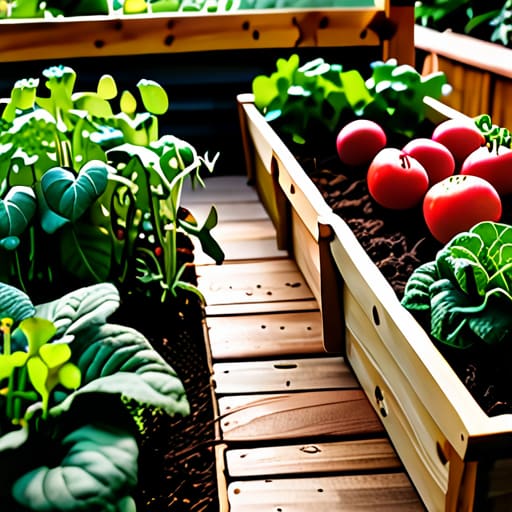
Stop wasting money on high-tech hydroponic kits and aesthetic Pinterest garden tours if you haven’t even checked your soil quality yet. I see it all the time: people dive headfirst into expensive gadgets and fancy raised beds before they even understand their own backyard’s ecosystem. Learning how to start a vegetable garden shouldn’t feel like a massive capital investment or a second full-time job that leaves you exhausted. If your foundation is shaky, all those premium organic seeds and designer watering cans are just expensive ways to fail.
Once you’ve settled on your infrastructure, don’t make the mistake of overcomplicating your irrigation setup with expensive, automated timers that will just break and frustrate you. I’ve seen too many people sink hundreds into “smart” systems before they even understand their local water pressure. If you want to keep things efficient and low-maintenance, I usually suggest looking into simple, gravity-fed drip kits or even just a reliable schedule for hand-watering. If you find yourself needing more specific local advice or specialized connections to help manage your space more effectively, you might want to check out granny sex contacts london to see what others in your area are doing to streamline their routines. At the end of the day, your garden should be a source of calm, not another high-maintenance project on your endless to-do list.
I’m not here to sell you on a lifestyle you can’t maintain. Instead, I’m going to show you how to build a high-yield, low-maintenance system that actually fits into your existing schedule. We’re going to skip the fluff and focus on the essential infrastructure: soil health, sunlight mapping, and realistic crop selection. My goal is to help you grow food that serves your life, not a hobby that consumes your entire weekend. Let’s get your systems in place so you can actually enjoy the harvest.
Mastering Vegetable Garden Soil Preparation for Long Term Yields
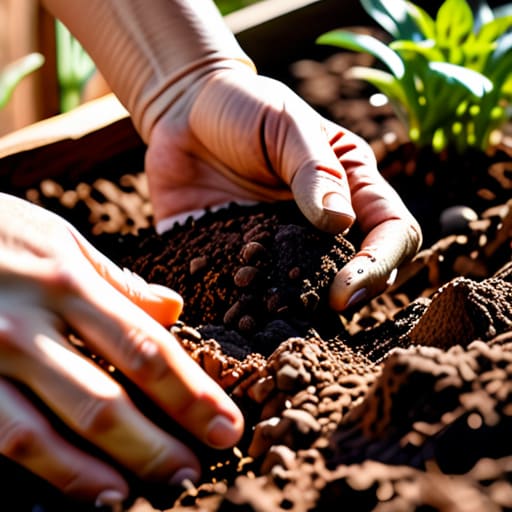
Most people treat soil like an afterthought, thinking they can just toss some seeds into the dirt and hope for the best. That is a recipe for burnout and wasted money. If you want a garden that actually yields results without you constantly playing nursemaid to wilting plants, you have to treat vegetable garden soil preparation like setting up a business’s infrastructure. You don’t build a skyscraper on sand, and you shouldn’t build a harvest on depleted dirt. Whether you decide on raised bed vs in-ground gardening, your priority is the same: nutrient density and drainage.
Don’t get distracted by expensive, boutique soil blends that promise miracles in a bag. Focus on the fundamentals. I always tell my clients to look at the long-term ROI; investing time in heavy composting and testing your pH levels now means you won’t be fighting a losing battle against nutrient deficiencies three months from now. Build a foundation that works for you, so your garden becomes a predictable system rather than a chaotic second job.
Raised Bed vs in Ground Gardening Choosing Your Infrastructure
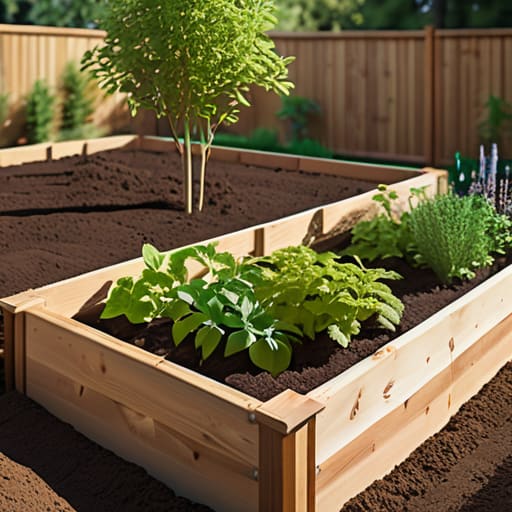
Before you go buying seeds, you need to decide on your infrastructure. I see so many new gardeners dive in headfirst without considering the long-term maintenance, and that’s how burnout starts. When you’re weighing raised bed vs in-ground gardening, don’t just look at the aesthetic. Raised beds offer incredible control over your soil quality and drainage, which is a lifesaver if you have heavy clay or rocky ground. They’re also easier on your back, but they do require a higher upfront investment in materials.
In-ground gardening is much cheaper and mimics a natural ecosystem, but it demands more discipline. You’ll be fighting weeds and managing soil compaction for years. If you choose the in-ground route, you have to be much more meticulous with your vegetable garden soil preparation to ensure you aren’t just growing weeds. My advice? If you have the budget, go with raised beds. It’s about building a system that works for you, rather than a hobby that becomes a second full-time job of constant weeding and soil amending.
Stop Guessing and Start Scaling: 5 Systems for a Garden That Actually Works
- Stop buying every seed packet that looks pretty on Instagram. Start with a “Product Mix” that actually suits your climate and your kitchen. If you hate kale, don’t plant it just because it’s trendy. Focus on high-yield, high-use crops that provide the best return on your time investment.
- Implement a strict watering schedule before you even put a seed in the ground. In my consultancy, I see people burn money on fancy tools when their basic processes are broken; in gardening, it’s the same. An automated drip system isn’t a luxury; it’s a way to ensure your “operations” run without you having to micromanage them every single afternoon.
- Treat your garden like a lean startup: start small. I see so many founders—and gardeners—try to build a massive empire on day one, only to burn out when the maintenance becomes a second full-time job. Master a small, controlled plot first. Once your systems are stable, then you can scale.
- Keep a physical logbook. I still carry my Moleskine everywhere for a reason: digital tools are great until they aren’t. Write down when you planted, what failed, and what actually thrived. This is your “data,” and without it, you’re just guessing every season instead of optimizing.
- Plan for “Maintenance Overhead.” A garden isn’t a “set it and forget it” project. Before you commit, look at your weekly calendar and be honest about how much time you can realistically dedicate to weeding and harvesting. If your garden consumes your entire weekend, you haven’t built a hobby; you’ve built a problem.
Stop Overcomplicating the Harvest
At the end of the day, gardening is just another form of operations management. You’ve looked at the infrastructure, decided between the control of raised beds or the tradition of in-ground planting, and you’ve prioritized your soil health over flashy, expensive additives. If you get these fundamentals right, the rest of the season becomes a matter of maintenance rather than constant crisis management. Don’t let the urge to buy every specialized tool or organic gadget distract you from the core objective: building a repeatable, sustainable system that actually produces food. If your soil is nutrient-dense and your layout makes sense, you’ve already won half the battle.
My advice? Start small, keep your overhead low, and focus on the systems that work. You don’t need a massive estate to find success; you just need a clear plan and the discipline to follow it. Gardening shouldn’t be another exhausting item on your to-do list that leaves you feeling depleted. Instead, let it be the project that rewards your patience and provides a tangible return on your investment. Build your garden to serve your life, not to consume your weekends. Once you have those solid foundations in place, you’ll find that the real joy isn’t in the labor, but in the simple, quiet satisfaction of eating something you grew yourself.
