
Stop throwing money at expensive, flashy “rewards” programs that do nothing but clutter your dashboard and confuse your staff. I see it all the time with the boutique owners I consult for: they buy some high-end customer loyalty software because a guru on Instagram said it was essential, only to realize they’ve just added another complex layer of tech to a backend that was already struggling to breathe. If you’re just handing out digital punch cards that nobody actually uses, you aren’t building loyalty; you’re just subsidizing a bad customer experience with expensive software you don’t need.
I’m not here to sell you on the latest shiny object or some over-engineered platform that requires a PhD to operate. My goal is to show you how to pick a system that actually integrates with your current workflow and, more importantly, gives you the real numbers you need to make decisions. We’re going to cut through the marketing fluff and focus on tools that help you understand who your best customers are, so you can stop chasing strangers and start building a sustainable business that actually gives you your time back.
Table of Contents
- Prioritize Customer Lifetime Value Optimization Over Viral Trends
- Using Customer Churn Reduction Tools to Protect Your Peace
- Five Ways to Make Your Loyalty Software Work for You (Instead of the Other Way Around)
- The Bottom Line: Systems Over Hype
- ## Stop Guessing and Start Knowing
- The Bottom Line
- Frequently Asked Questions
Prioritize Customer Lifetime Value Optimization Over Viral Trends

I see boutique owners every week who are obsessed with the latest TikTok dance or a viral reel, thinking a spike in views will magically fix their bottom line. It won’t. If you’re spending all your energy chasing one-off customers who never come back, you’re essentially running on a treadmill. Instead of chasing ghosts, you need to focus on customer lifetime value optimization. It’s much cheaper—and significantly less exhausting—to sell to someone who already trusts you than to constantly hunt for strangers in a crowded digital marketplace.
This is where most people get it wrong: they treat loyalty like a “nice-to-have” marketing gimmick rather than a core operational system. Real growth happens when you move away from manual guesswork and start utilizing automated loyalty program features that actually track behavior. When you stop babysitting every individual transaction and let a system handle the heavy lifting of recognition and rewards, you gain something far more valuable than a few likes: you gain predictable revenue. Stop chasing the high of a viral moment and start building a foundation that actually sustains your lifestyle.
Using Customer Churn Reduction Tools to Protect Your Peace
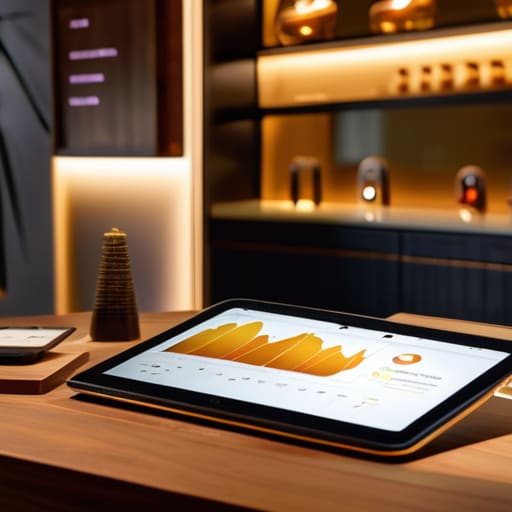
If you’re constantly playing catch-up with new customer acquisitions, you’re likely running on a hamster wheel that leads straight to burnout. I’ve seen too many boutique owners exhaust themselves trying to find “new” people when their existing customers are quietly slipping out the back door. This is where customer churn reduction tools become your best friend—not because they’re flashy, but because they act as an early warning system. Instead of reacting to a sudden drop in sales, these tools help you spot the patterns of disengagement before the relationship is actually dead.
Think of it as setting up a perimeter around your hard-earned revenue. When you implement personalized rewards automation, you aren’t just sending out generic discount codes; you’re delivering a timely, relevant nudge to a customer who hasn’t visited in a while. This shifts your workload from frantic firefighting to proactive management. By automating these touchpoints, you stop babysitting every single transaction and start building a system that protects your margins—and your sanity—while you focus on the parts of your business that actually matter.
Five Ways to Make Your Loyalty Software Work for You (Instead of the Other Way Around)
- Stop chasing vanity metrics and look at your repeat purchase rate. If your software isn’t telling you exactly how many customers are coming back and how much they’re spending, it’s just an expensive digital paperweight.
- Automate the boring stuff so you can actually breathe. Use your software to trigger “we miss you” emails or birthday rewards automatically. If you’re manually sending out discount codes, you haven’t built a system; you’ve just created more work for yourself.
- Segment your list based on actual behavior, not guesses. Don’t blast your entire database with the same generic coupon. Use your data to send specific offers to your high-spenders and different incentives to those who haven’t visited in three months.
- Keep your rewards simple enough to explain in ten seconds. If your loyalty program is too complex, your staff won’t pitch it and your customers won’t bother learning it. A clean, straightforward reward system is much easier to manage and much harder to break.
- Audit your data every single month. I see so many founders set up a system and then forget it exists until something breaks. Sit down with your Moleskine, look at the numbers the software is spitting out, and make sure those loyalty points are actually driving revenue, not just giving away freebies to people who would have bought anyway.
The Bottom Line: Systems Over Hype
Stop chasing viral moments to fix a leaky bucket; use loyalty software to understand your real numbers and keep the customers you’ve already fought to get.
Automate your retention efforts so you aren’t stuck babysitting your customer list every weekend; let the systems do the heavy lifting while you actually run your business.
Focus on lifetime value, not one-off transactions, because sustainable growth is built on predictable repeat business, not the dopamine hit of a single trending post.
## Stop Guessing and Start Knowing
“Stop treating your customer data like a guessing game. A decent loyalty system isn’t about sending out flashy discount codes; it’s about finally seeing the patterns in your numbers so you can stop playing catch-up and start building a business that actually runs itself.”
Marisol Quintero
The Bottom Line

At the end of the day, customer loyalty software isn’t just another shiny tool to add to your tech stack; it’s the backbone of a predictable business. We’ve talked about why you need to stop chasing viral ghosts and start focusing on your actual numbers, and why protecting your peace means plugging the leaks in your churn rate. If you aren’t using data to understand who your best customers are and why they keep coming back, you aren’t running a business—you’re just hoping for the best. Stop guessing and start building a system that tracks your real growth so you can finally stop babysitting your spreadsheets and start making informed decisions.
My goal for you has always been the same: build something that serves your life instead of consuming it. Investing in the right systems now might feel like more work upfront, but it’s the only way to ensure you aren’t stuck working eighty-hour weeks just to keep the lights on. Use these tools to create a foundation of stability, so your business can eventually run without your constant intervention. Go get your systems in order, get your numbers straight, and then go live your life.
Frequently Asked Questions
How much time am I actually going to have to spend managing this software every week?
Look, I get it. The last thing you need is another digital babysitter sucking up your calendar. If you set this up right, you shouldn’t be living in the dashboard. I’m talking maybe two to three hours a week—mostly reviewing your weekly automated reports and checking your churn metrics. Use the automation to do the heavy lifting. If you’re spending more time than that, you haven’t built a system; you’ve just bought yourself a new chore.
Is it worth investing in a dedicated loyalty system if my current customer base is still relatively small?
Look, I get the hesitation. You feel like you’re buying a heavy-duty industrial mixer when you’re still just baking bread in your kitchen. But here’s the reality: if you wait until you’re “big enough,” you’ll have already baked in bad habits and messy data. Start small. Use a system now to build the muscle of tracking who your real fans are. It’s much easier to scale a clean process than to fix a broken one later.
How do I know if the data from these tools is actually telling me the truth about my profit margins?
Look, software is only as good as the data you feed it. If you’re just glancing at “total sales” without subtracting your COGS, shipping mishaps, and those sneaky merchant fees, you’re flying blind. To find the truth, cross-reference your software’s reports against your actual bank statements and physical inventory counts. If the numbers don’t match your cash in hand, your system is lying to you. Don’t trust a dashboard until it accounts for every cent leaving your pocket.
